
Triggers That Feel
Better
Smoother
Faster
Precision Triggers Built Right Here in the USA

If there’s one question I hear constantly, it’s, “What’s the best trigger upgrade for my Glock or Sig?” There is no single answer. The right trigger depends on how you use the firearm and what you want to improve. Carry guns, range pistols, and competition builds all have different priorities. The goal is to improve control, consistency, and feel without sacrificing reliability.
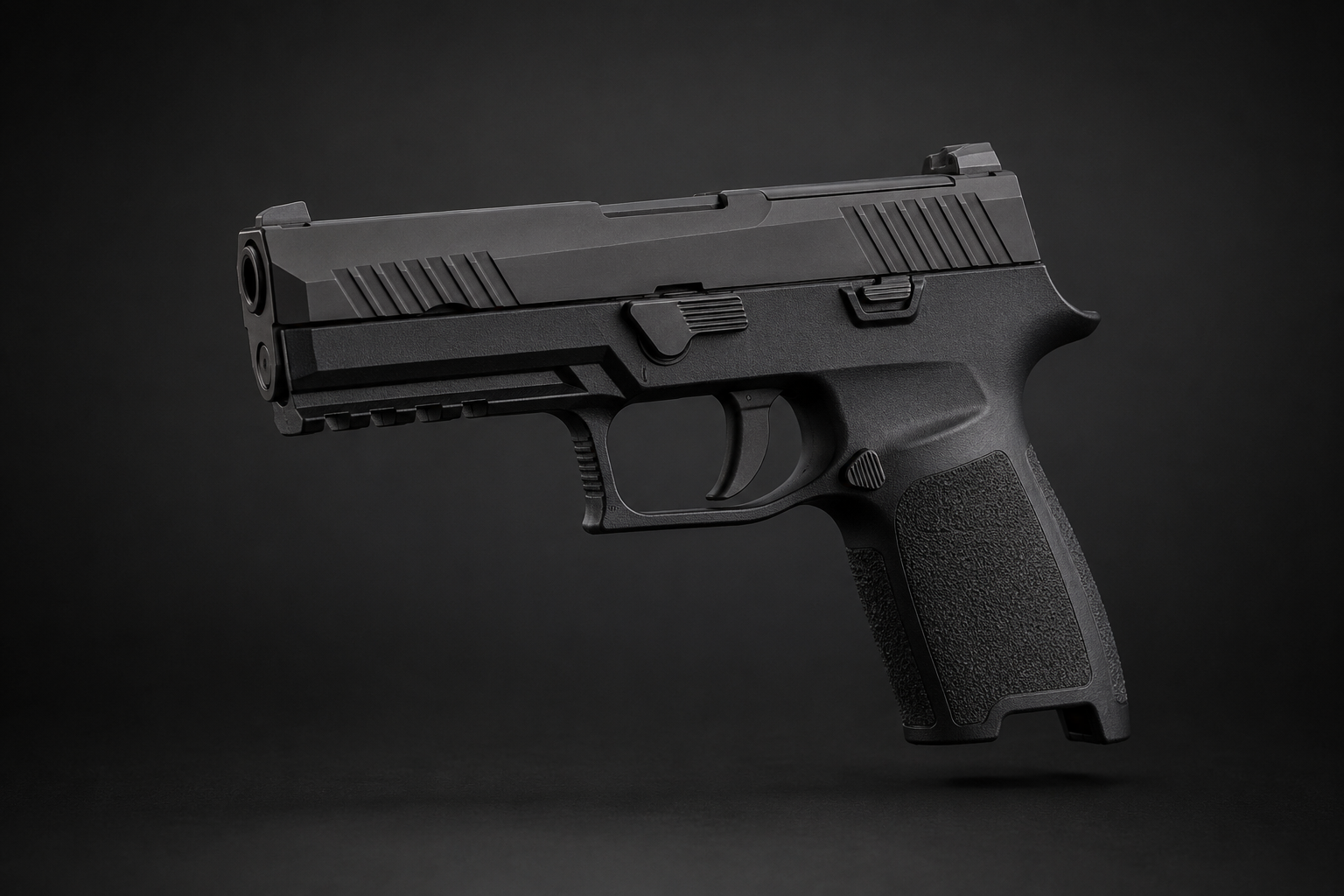
Before choosing a trigger, decide how the pistol will be used. A concealed carry firearm should prioritize safe, dependable operation. A range pistol may place more emphasis on comfort and trigger feel. A competition build may benefit from shorter travel or a faster reset. Defining the intended use first helps you avoid buying an upgrade that sounds impressive but does not fit the firearm’s actual purpose.
Pull weight is only one part of how a trigger performs. Travel, break, reset, trigger shape, reach, and consistency can matter just as much. Two triggers with the same measured pull weight may feel completely different. A predictable break and positive reset often provide more practical improvement than simply making the trigger lighter. The complete trigger experience should guide the decision.
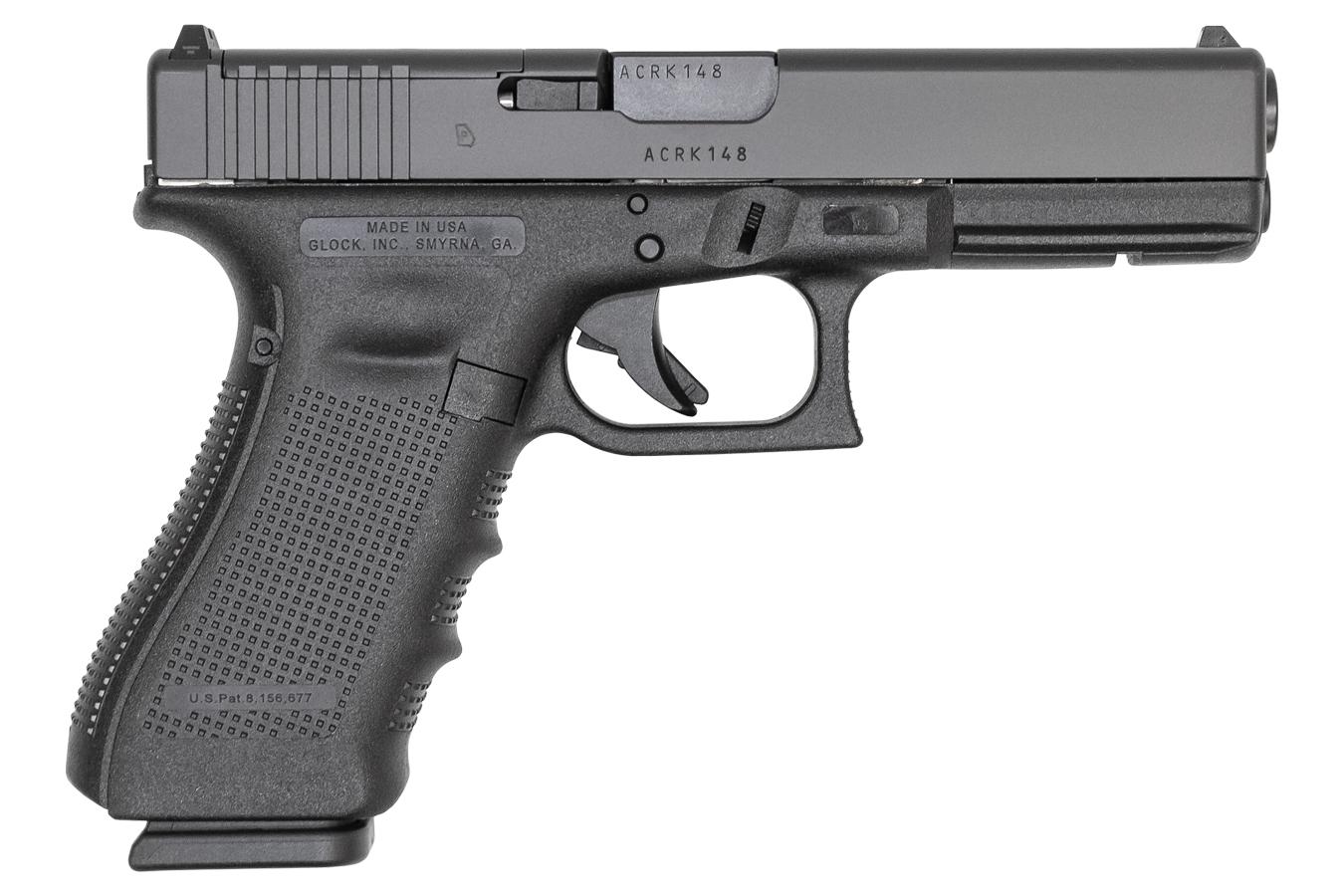
Many Glock owners want a cleaner break, reduced unnecessary travel, improved trigger shoe ergonomics, and a more noticeable reset. A quality upgrade can make the trigger feel smoother and more predictable while maintaining the dependability Glock pistols are known for. Compatibility matters, so owners should choose a trigger designed for their exact model, frame type, and generation.
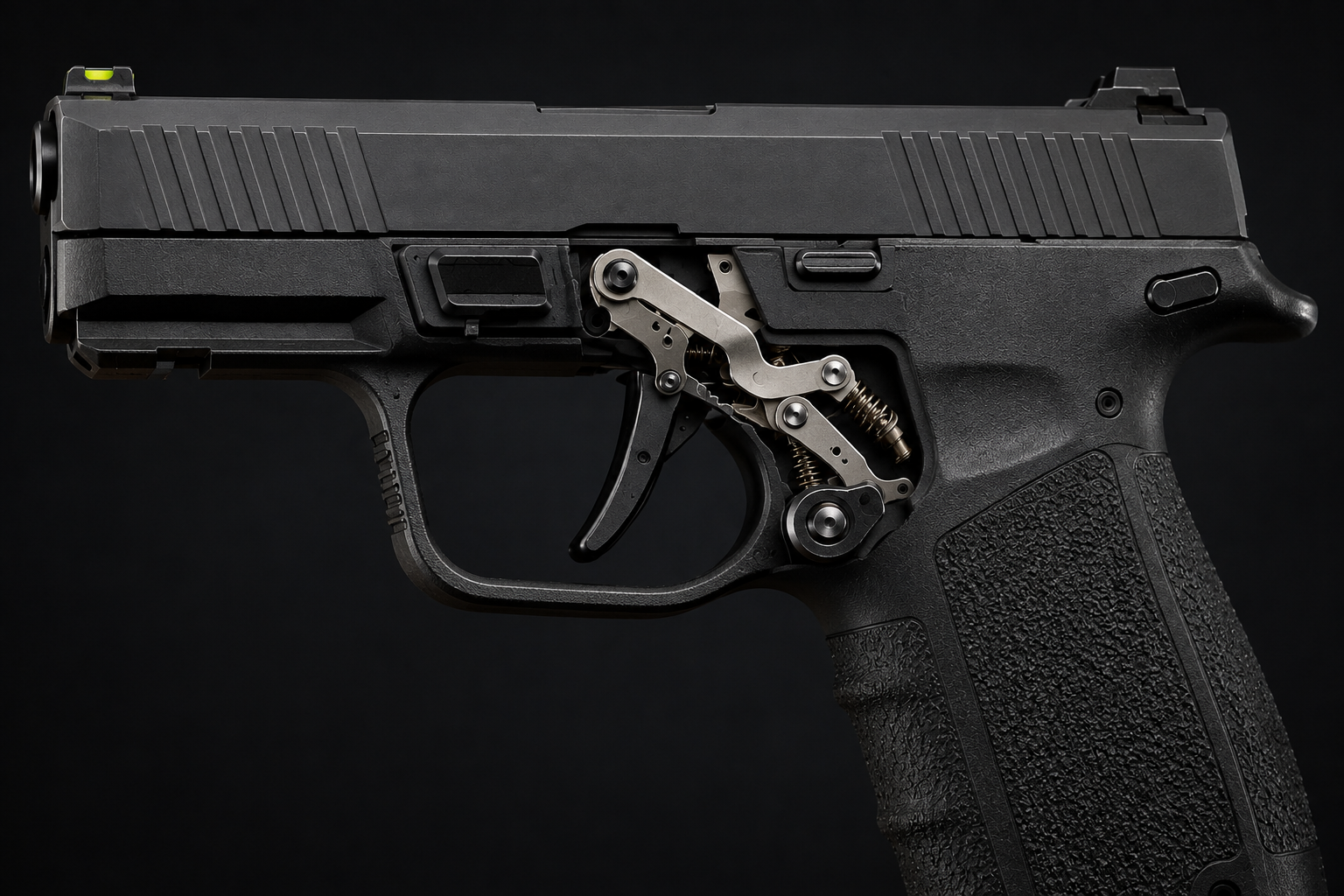
Sig Sauer owners, especially those carrying a P365, often upgrade for better finger placement, a cleaner break, shorter travel, and a more consistent reset. Because the P365 family includes several configurations, compatibility should always be confirmed before ordering. The best upgrade should improve the shooting experience while preserving the reliable operation expected from a defensive or everyday carry pistol.
Not every aftermarket trigger is designed or manufactured to the same standard. Choose components made specifically for your firearm and produced by a manufacturer that prioritizes dependable performance, quality materials, and proper testing. Avoid combining random parts simply because each one promises a lighter pull. A matched trigger system is usually easier to install, evaluate, test, and troubleshoot.
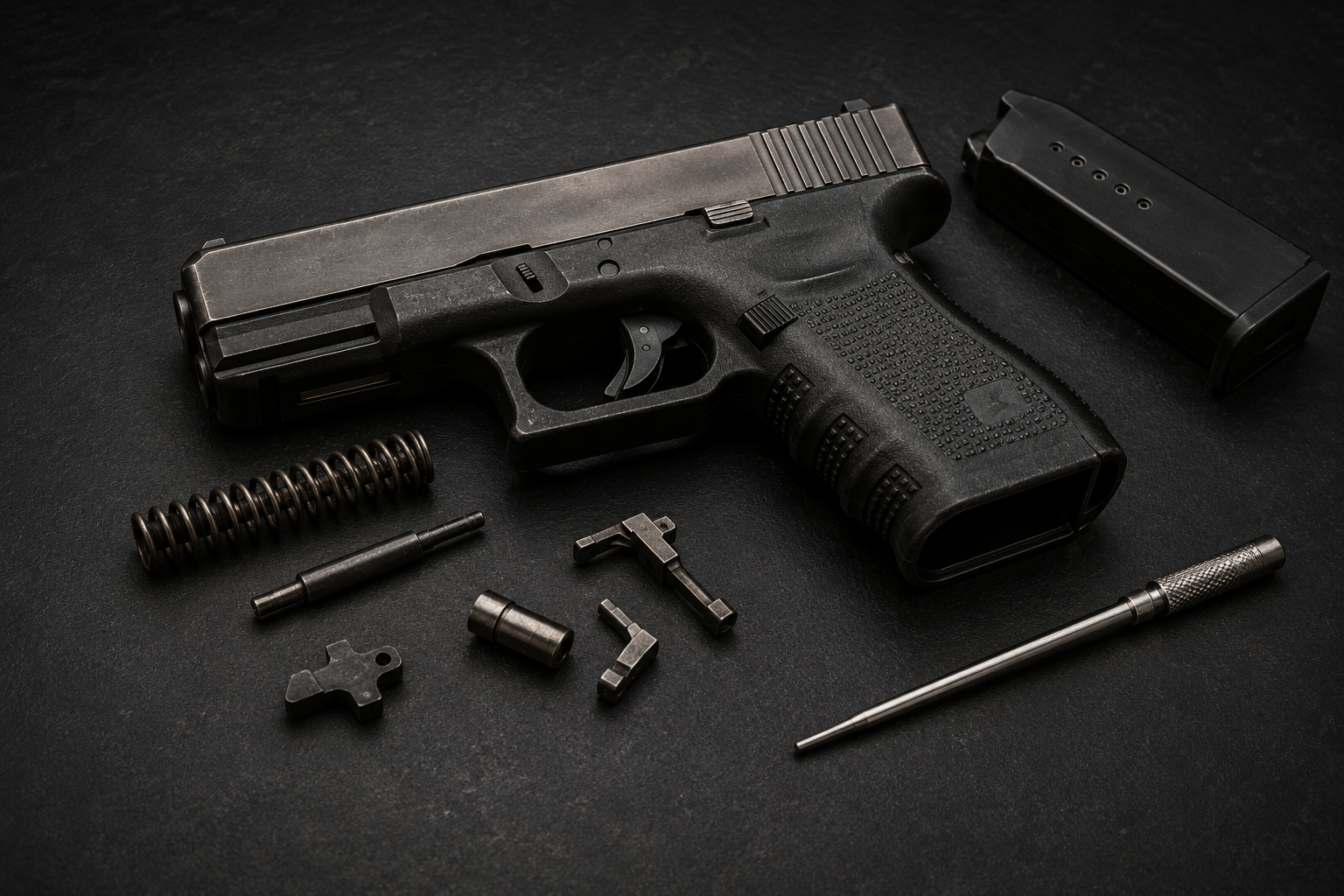
Some shooters are comfortable installing trigger components themselves, while others prefer professional installation. The right choice depends on your tools, experience, and understanding of the firearm. Every installation should include proper safety and function checks. A trigger that feels good during a few dry presses has not automatically been proven reliable. Test the firearm fully before returning it to regular use.
6 Responses
Literally the best out there!! It’s in its own division in the 365 world. Nothing compares
IG: fowlerhayes7 follow me. I’ll be posting plenty of content with RAAM and ECM upgrades!!
The RAMM Tactical Trigger Kit for the P365 is hands down the BEST trigger kit I have installed on any pistol. I don’t know how you made it, but I’ll be damned if it isn’t the best striker fired pistol trigger ever.
One very little pet peeve of mine is, I don’t like the trigger shoe LOOKS. It performs great, but I don’t really like the skinny straight look. I love how the Sig OEM Trigger shoe looks tho. Any plans in the future for alternative trigger shoes for the RAMM Trigger Kit for the P365?
Thanks, I really appreciate the feedback on the trigger kit! And I hear you on the trigger shoe. Everybody has their preferences when it comes to the feel and look of a trigger. I don’t have a definite answer for you right now on alternative trigger shoe options, but it’s a good question. Let me look into it and I’ll get back to you with a better answer.
Karl
The Trigger Guy
Appreciate the support! I’ll definitely check it out. Looking forward to seeing what you put together with the RAMM and ECM upgrades!
Karl
The Trigger Guy
Man, I really appreciate that! It means a lot to hear you’re that happy with the trigger. Thanks for the support and for taking the time to share it!
Karl
The Trigger Guy