Triggers That Feel
Better
Smoother
Faster
Precision Triggers Built Right Here in the USA

If you shoot regularly, eventually you start wondering how long the parts in your firearm are supposed to last. There isn’t one number that applies to every gun or shooter. Wear depends on the firearm, ammunition, shooting frequency, maintenance habits, storage conditions, and how the gun is used. Instead of waiting for something to stop working, I think it makes more sense to understand normal wear, inspect your firearm regularly, and catch potential problems early.
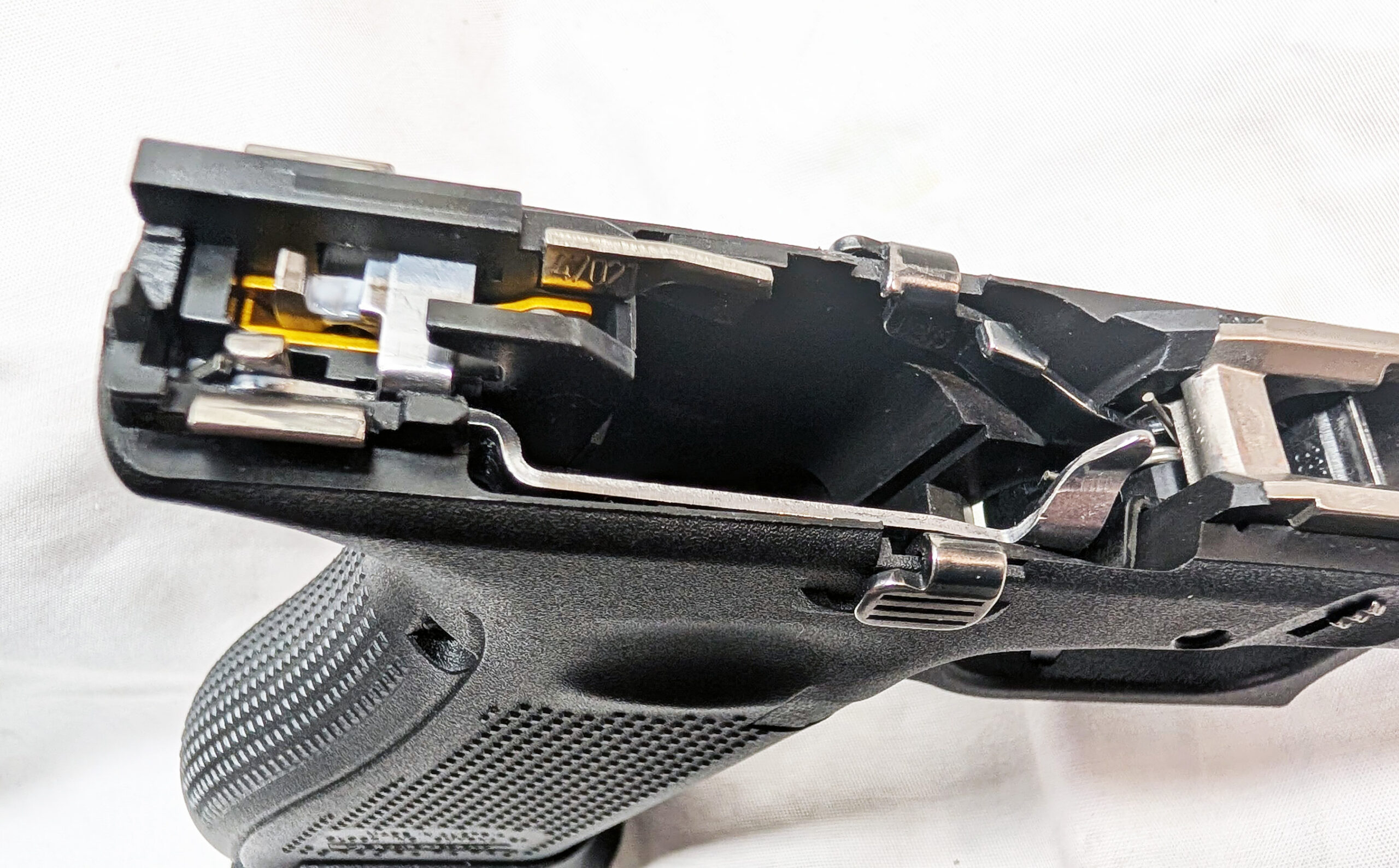
Keeping track of round count can be useful, especially when you’re following the manufacturer’s maintenance recommendations. But it shouldn’t be the only thing you watch. A firearm carried every day may be exposed to moisture, dust, lint, and temperature changes without being fired much. A range gun might see far more rounds without those same conditions. That’s why I prefer looking at how the firearm is actually being used and maintained instead of relying on one number.
You know how your firearm normally feels and operates, so pay attention when something changes. Differences in cycling, extraction, feeding, trigger feel, slide movement, magazine performance, or overall reliability may be a sign that the firearm needs attention. It doesn’t automatically mean a specific component needs to be replaced. It simply means something has changed and deserves a closer look before you continue relying on the firearm for regular use, carry, or defense.
Springs are among the components manufacturers may consider wear or service items because repeated cycling can gradually affect their performance. That doesn’t mean there’s one replacement number that works for every spring or firearm. Different models can have very different maintenance recommendations. Instead of following a number you found online for another gun, start with the owner’s manual and current guidance from the manufacturer of your specific firearm.
Cleaning your firearm is also a good opportunity to inspect it. Instead of simply cleaning, lubricating, and putting everything back together, take a little time to notice anything that looks, feels, or functions differently. Regular inspection can help you recognize unusual wear or other potential issues before they become larger problems. Follow the cleaning and lubrication recommendations for your firearm, and have anything questionable evaluated by the manufacturer or a qualified professional..
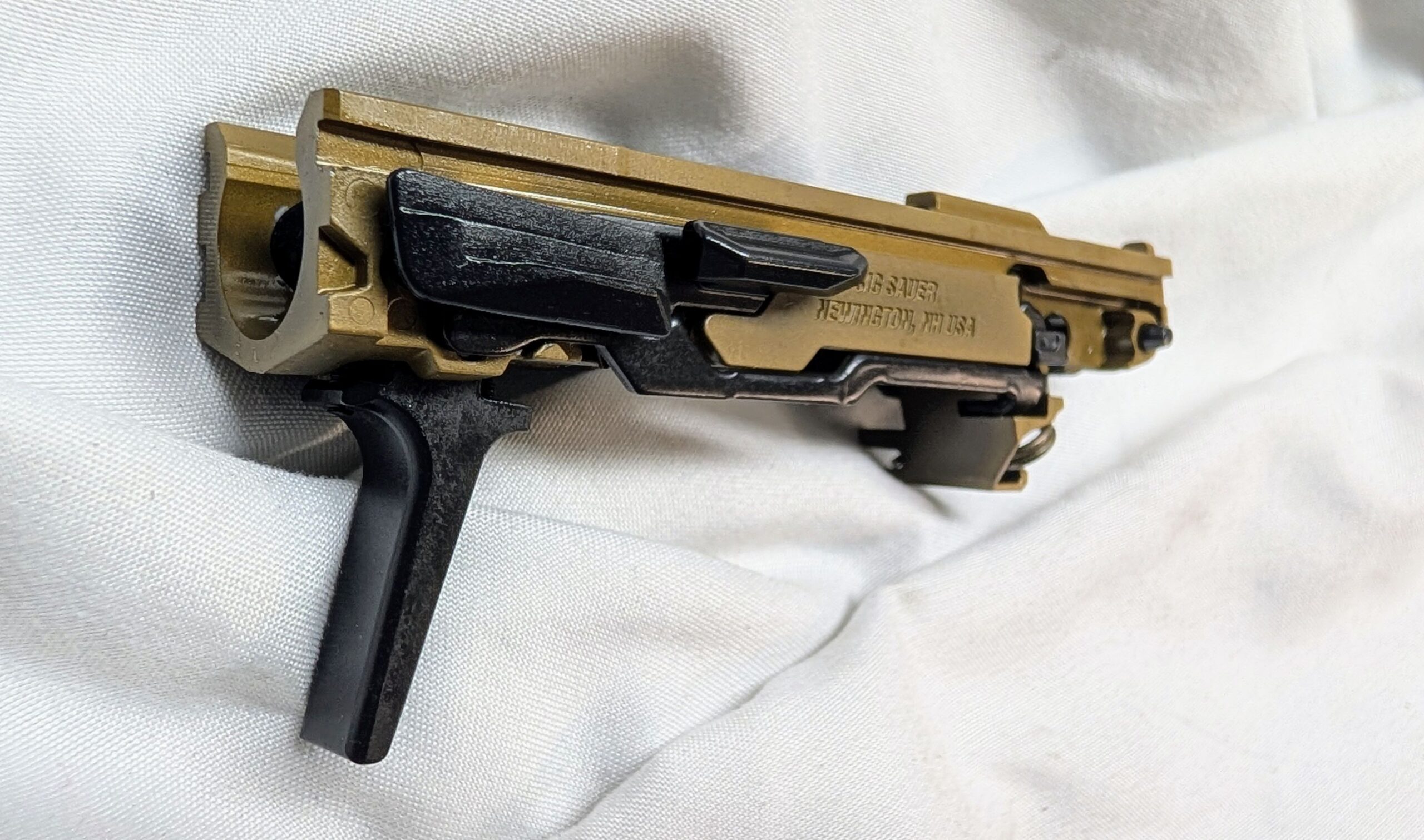
There’s a big difference between replacing perfectly good components unnecessarily and ignoring warning signs until something fails. If you depend on a firearm for concealed carry or defense, reliable operation should always be the priority. Follow the maintenance recommendations for your specific firearm, keep track of use when practical, and pay attention to changes in performance. If something doesn’t seem right, address it rather than assuming the problem will eventually work itself out.
One mistake I see shooters make is finding a maintenance schedule online for one pistol and assuming it applies to another. Different firearms use different components and can have completely different service recommendations. Even two models from the same manufacturer may not follow identical schedules. Start with the current owner’s manual and manufacturer guidance for your exact firearm. If you’re uncertain about a component, contact the manufacturer or have a qualified armorer or gunsmith inspect it.
If you’ve installed aftermarket components, don’t forget that those parts may have their own maintenance and inspection recommendations. You shouldn’t automatically assume the firearm manufacturer’s original schedule applies to every aftermarket component. Pay attention to the instructions and compatibility information provided by the part manufacturer as well. Anytime you change something from the factory configuration, proper compatibility, installation, inspection, and reliable function should remain the priority.
Firearm maintenance doesn’t need to become an engineering project. Keep your firearm clean and properly lubricated according to the manufacturer’s instructions, inspect it regularly, and pay attention when something starts feeling or functioning differently. Keeping track of your shooting can also help when following recommended service intervals. Most importantly, don’t guess when you’re unsure. A qualified armorer, gunsmith, or the manufacturer can help determine whether something actually needs attention.
2 Responses
Can you put together a list of parts now that I have your Ramm Trigger that are not Sig that I will need to order from you and when those parts should be replaced please. That would be very helpful.
Thanks for the question. I can definitely help you put together a list. I don’t want to give you a generic parts list and have you ordering things you don’t need, though. Send me the exact SIG model and your current setup, and I can point you toward the non-SIG parts I recommend keeping on hand and give you some guidance on when they should be inspected or replaced. Please send response here: info@thetriggerguyusa.com.