Triggers That Feel
Better
Smoother
Faster
Precision Triggers Built Right Here in the USA

When it comes to concealed carry pistols, people spend a lot of time talking about holsters, optics, ammunition, and which gun is easiest to conceal. But there’s another part of the pistol that deserves just as much attention: the trigger.
It’s one of the main points of contact between you and your firearm, and its design can make a noticeable difference in how the pistol feels when you shoot.
I’ve always believed that a good trigger upgrade should be about more than making the pull lighter. Trigger shape, reach, travel, break, reset, and overall consistency all contribute to the experience.
And when you’re talking about a pistol you carry regularly, choosing the right combination of those characteristics matters.
So what should you actually look for in a concealed carry trigger upgrade?

Factory triggers are designed to serve a broad range of shooters. Manufacturers have to consider production costs, durability, safety requirements, and the needs of people with different hand sizes and shooting preferences.
That’s understandable, but it also means the factory trigger won’t necessarily provide the feel every shooter prefers.
One person might find the trigger reach uncomfortable. Another might dislike the amount of travel before the break. Someone else might prefer a different trigger shoe shape or a more noticeable reset.
Those are all reasonable things to evaluate when considering an aftermarket trigger.
A quality trigger upgrade gives shooters an opportunity to choose characteristics that better suit their preferences rather than accepting the factory configuration as their only option.
The important thing is understanding what you’re changing and why.
Pull weight gets a lot of attention whenever aftermarket triggers come up.
It’s easy to understand why. It’s measurable, and it’s often one of the first specifications manufacturers advertise.
But two triggers with similar pull weights can feel noticeably different.
That’s because trigger feel involves several characteristics working together.
Trigger travel is the distance the trigger moves through its operating cycle.
The break is the point where the trigger releases the firing mechanism.
Reset refers to the trigger’s return to the point where it can be pressed again.
Trigger reach affects where your finger naturally contacts the trigger.
All of these characteristics contribute to the overall feel of the trigger system.
For concealed carry owners considering an upgrade, I recommend looking at the complete trigger system rather than focusing on a single pull-weight number.
A lighter pull isn’t the only reason to upgrade, and it shouldn’t be the only specification you evaluate.
One of the more noticeable differences between trigger designs is the shape of the trigger shoe.
Traditional curved triggers have a contoured face, while flat-faced triggers provide a straighter contact surface.
Neither shape automatically guarantees better accuracy or control. Much of the difference comes down to hand size, finger placement, trigger reach, and personal preference.
A flat trigger may feel more natural to one shooter, while another prefers the familiar contour of a curved design.
What matters is how the trigger fits your hand and how consistently you can interact with it.
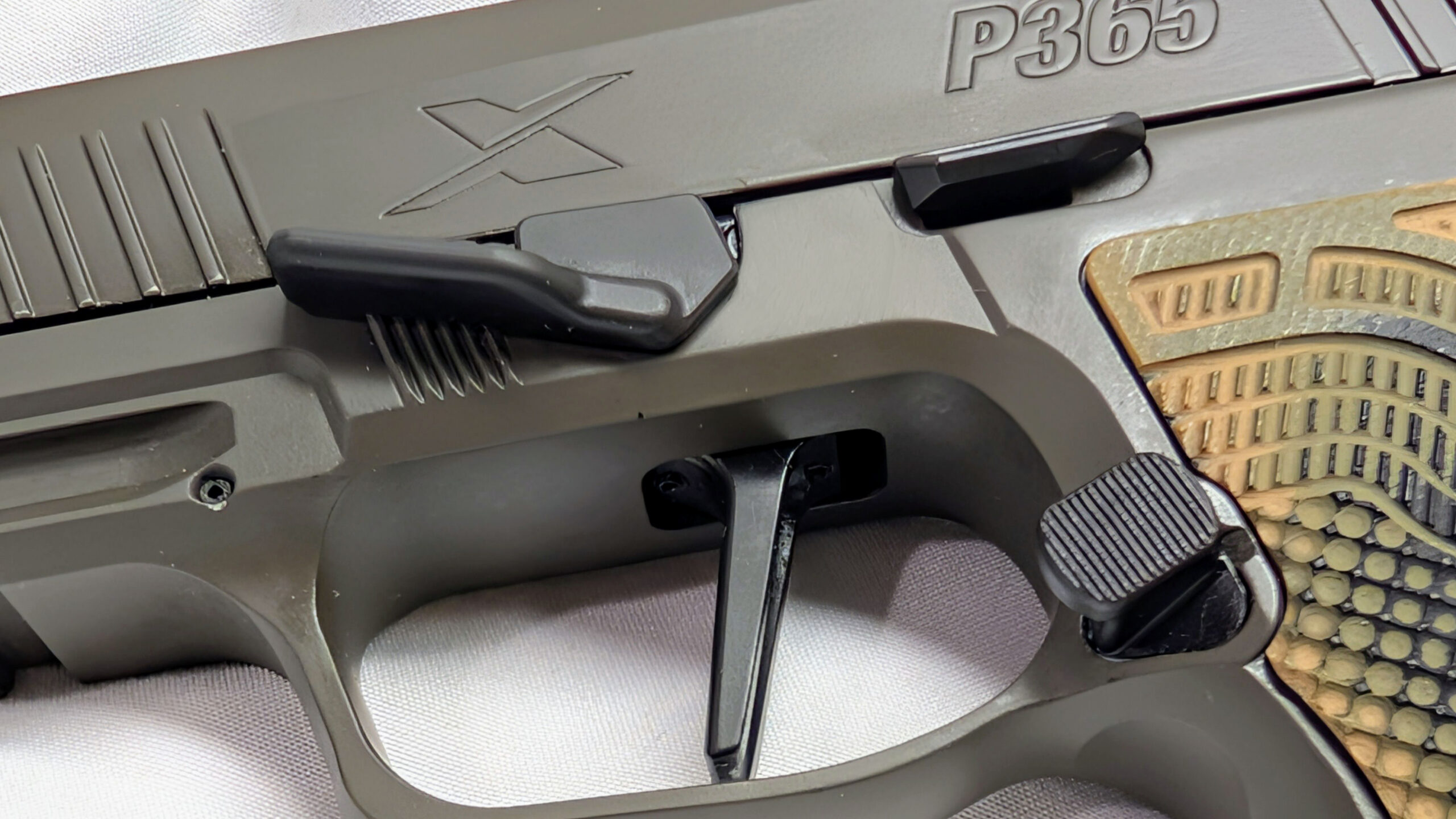
At RAMM Tactical, our Leverage Trigger systems use a flat, straight-style trigger shoe as part of the overall design. But the shoe itself is only one element of the complete trigger system.
If you’re interested in the differences between these designs, I covered them in more detail in my article, Does Trigger Shape Really Matter? Flat vs. Curved Triggers Explained.
When evaluating an aftermarket trigger, I look beyond appearance and advertised pull weight.
A trigger system should be designed for the specific firearm platform, manufactured with appropriate materials, and engineered to work with the firearm’s required safety mechanisms.
Compatibility is especially important.
Two pistols from the same manufacturer may use different internal components, and a trigger designed for one generation or configuration isn’t automatically compatible with another.
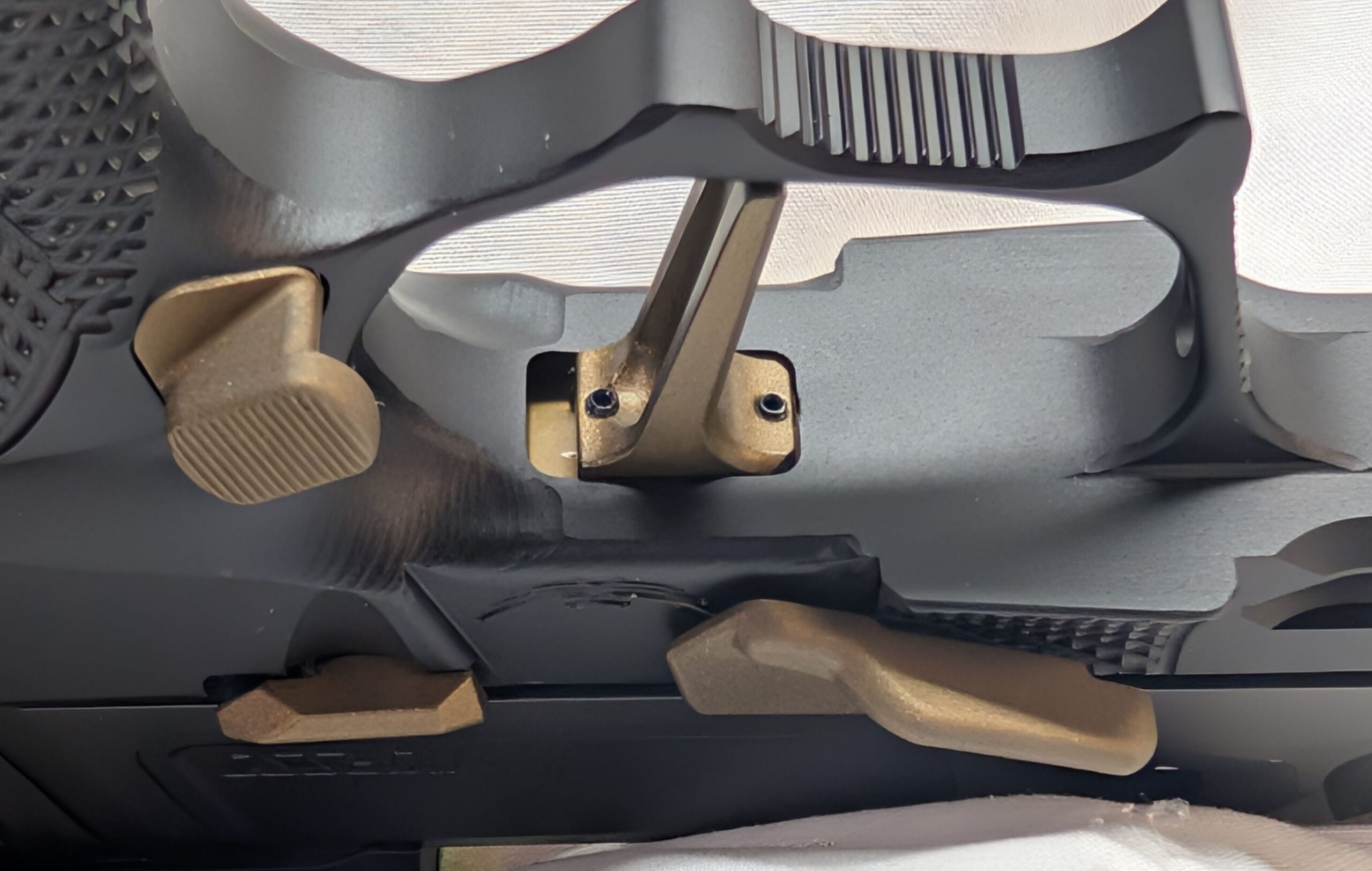
It’s also worth understanding whether a product replaces only the trigger shoe or includes additional components.
Some upgrades focus primarily on ergonomics. Others incorporate changes to the trigger bar or related components.
Those differences matter because they affect what the upgrade is actually designed to accomplish.
Before purchasing any trigger, check the manufacturer’s compatibility information, included components, intended use, and installation requirements.
Reliability and proper safety function are essential considerations with any firearm, particularly one intended for defensive use.
That doesn’t mean aftermarket trigger upgrades should be dismissed. It means the components need to be appropriate for the firearm and its intended application.
A properly selected upgrade should be evaluated as a complete system rather than judged solely by how the trigger feels.
Pay attention to the manufacturer’s intended-use designation, compatibility requirements, and installation instructions.
Any modification to a firearm’s fire-control system should preserve the operation of its required safety mechanisms. After installation, the firearm should receive the appropriate manufacturer-prescribed safety and function checks before being returned to service.
For anyone unfamiliar with trigger installation or inspection, working with a qualified gunsmith is a sensible option.
The goal is to make an informed upgrade while maintaining the firearm’s proper operation.
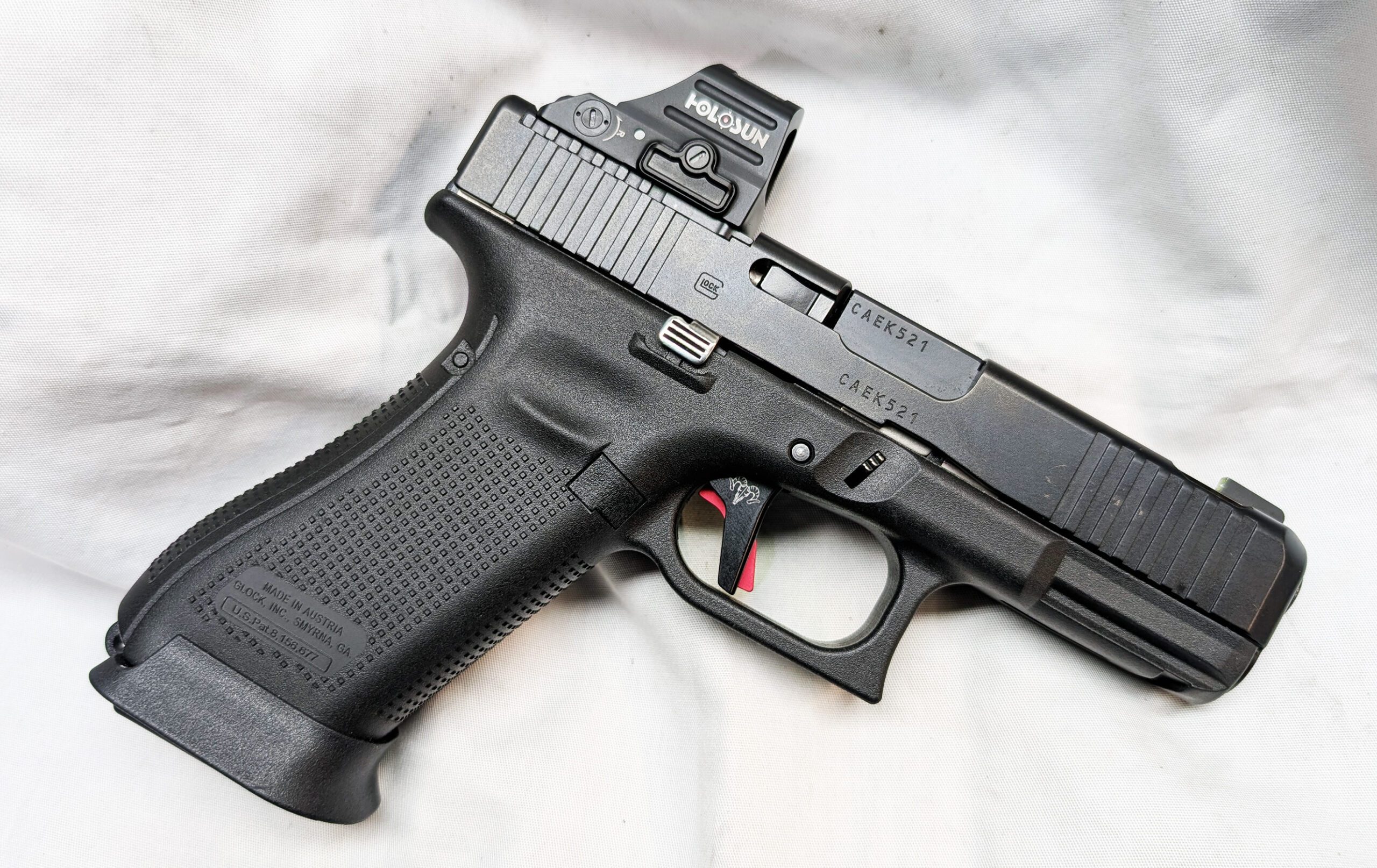
Glock pistols remain popular concealed carry options, and there are numerous aftermarket trigger designs available for the platform.
One of the first things to understand is that Glock trigger compatibility varies by model and generation.
A trigger designed for a particular Glock configuration shouldn’t be assumed to fit every other Glock pistol.
Beyond compatibility, consider what you want from the upgrade.
Are you looking for a different trigger shoe shape? Do you prefer a particular trigger reach? Are you interested in the characteristics of the break or reset?
These questions help narrow the options.
At RAMM Tactical, our Glock Leverage Trigger systems are designed around trigger geometry and leverage rather than simply changing the appearance of the trigger shoe.
Different kits have their own specifications and intended applications, so it’s important to review the product information for your particular Glock before choosing one.
Explore RAMM Tactical Glock Leverage Trigger Kits

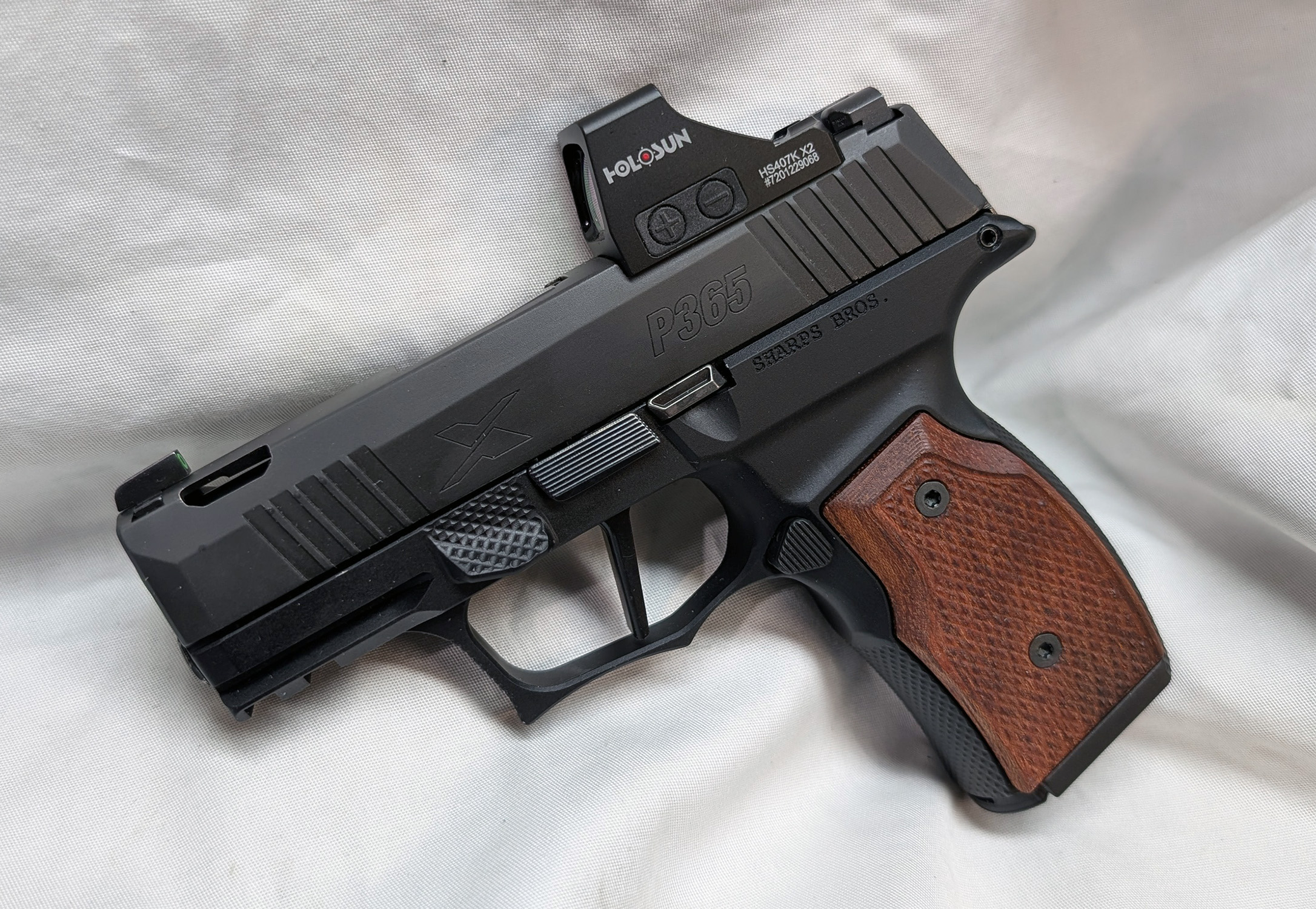
The SIG Sauer P365 is another popular concealed carry platform, with multiple configurations built around its modular Fire Control Unit.
That modularity provides flexibility, but it also makes identifying the correct components important.
P365 owners considering a trigger upgrade should evaluate the specific model, trigger-system compatibility, and the characteristics they want to change.
Trigger reach and shoe shape can be particularly noticeable on smaller pistols because of their compact grip dimensions.
The P365 platform also offers opportunities to evaluate complete trigger systems rather than treating the trigger shoe as an isolated component.
RAMM Tactical offers P365 Leverage Trigger Kits with model-specific compatibility and product specifications.
As with any trigger upgrade, the best starting point is identifying your exact pistol configuration and reviewing the manufacturer’s intended-use information.
Even a well-designed component needs to be installed and evaluated correctly.
Fire-control systems contain interacting components that must remain properly positioned and function as intended.
That’s why I consider installation an important part of any trigger upgrade.
Some products are marketed as drop-in components, but that description doesn’t eliminate the need to follow the manufacturer’s instructions or verify proper operation.
If you’re comfortable with the work and have the necessary knowledge, follow the applicable manufacturer’s procedures.
If you’re uncertain about any part of the process, professional installation is worth considering.
RAMM Tactical also offers trigger installation services for customers who prefer professional assistance.
A concealed carry trigger upgrade isn’t just about one specification.
The right choice involves understanding how the trigger is designed, how it fits your hand, whether it’s compatible with your firearm, and whether its intended use matches your needs.
For some shooters, trigger shape and reach are the biggest considerations. Others pay more attention to travel, break characteristics, or reset.
That’s why I encourage people to evaluate the complete system.
At RAMM Tactical, our approach to trigger design focuses on leverage, geometry, and the interaction of the components within the trigger system.
If you’re considering upgrading your Glock or SIG Sauer P365, start by looking at the options designed for your exact firearm and intended application.
A little research beforehand can make the decision considerably easier.
And if you’ve already upgraded your carry pistol’s trigger, I’d be interested to hear what made the biggest difference for you.
Was it the trigger shape, the break, the reset, or something else? Let me know in the comments.