Triggers That Feel
Better
Smoother
Faster
Precision Triggers Built Right Here in the USA
When shooters start looking at trigger upgrades, pull weight usually gets most of the attention. It’s an easy number to compare, but it doesn’t tell the whole story. Trigger shape, finger placement, travel, break, reset, and geometry all contribute to what you actually feel. That’s where a leverage trigger is different. Instead of concentrating on one specification, it looks at how the complete trigger system works together.
A trigger is part of a mechanical system, and leverage affects how force moves through that system. Where your finger contacts the trigger, the trigger’s geometry, and the relationship between its components can all influence the press. That’s why two triggers with similar measured pull weights can still feel very different. A leverage trigger looks beyond the number on the scale and considers how the entire system behaves from the beginning of the press through reset.
Trigger geometry sounds technical, but the basic idea is pretty straightforward. Change where and how force is applied and you can change how the trigger feels. The shape and geometry of the trigger influence where your finger naturally sits and how you interact with it during the press. That’s one reason I don’t like judging a trigger by specifications alone. Pull weight matters, but you also have to consider how the complete design works together.
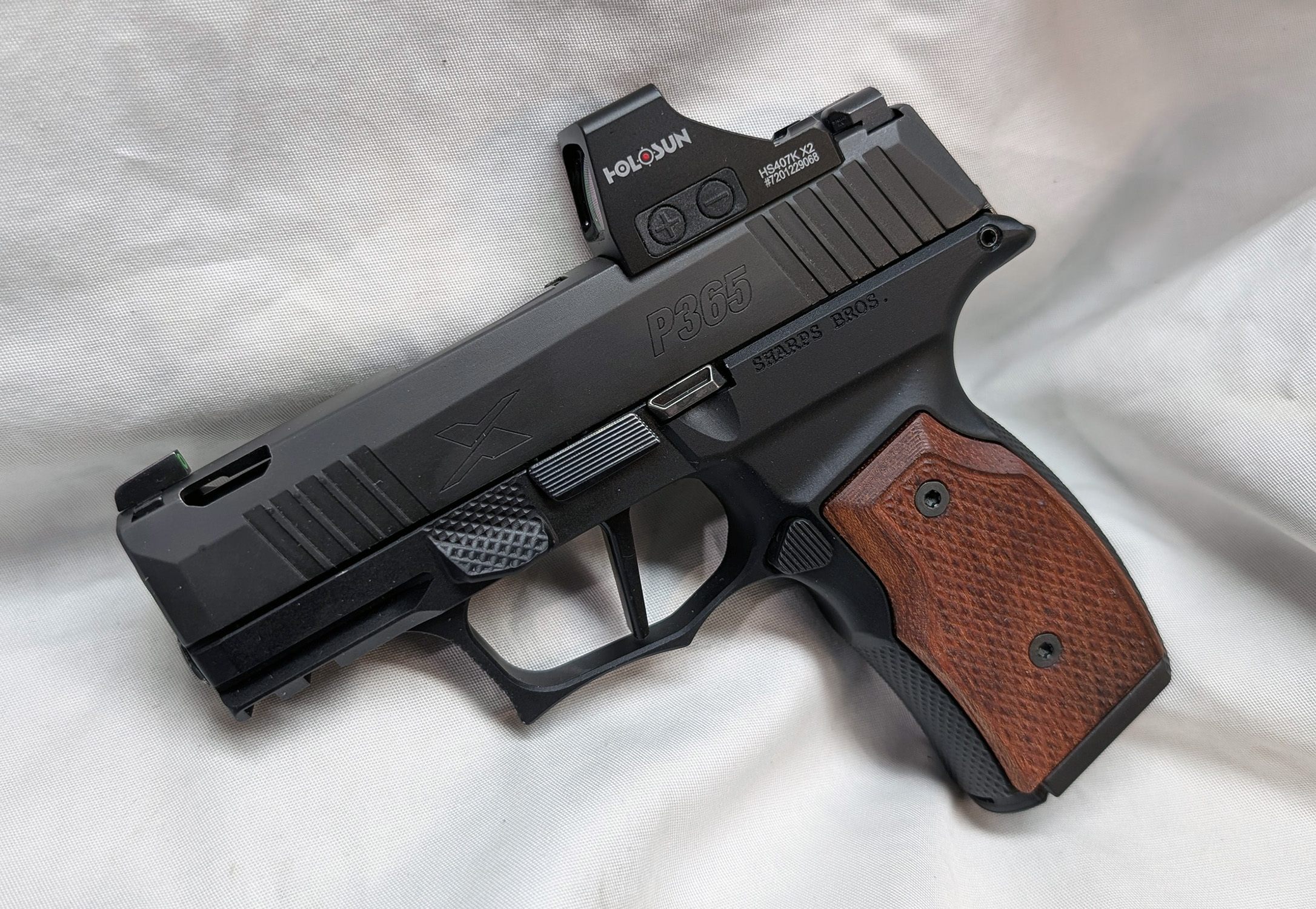
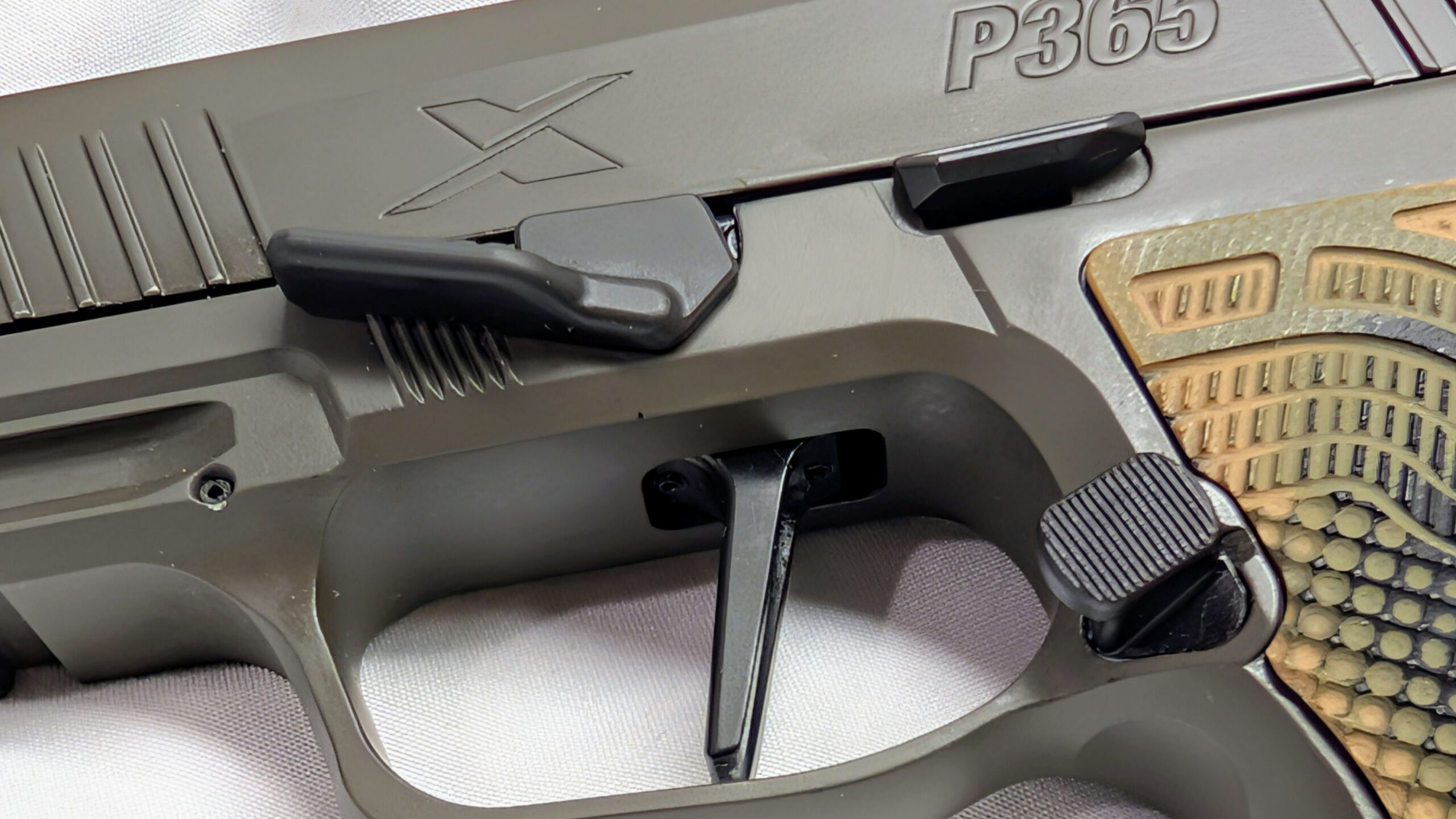
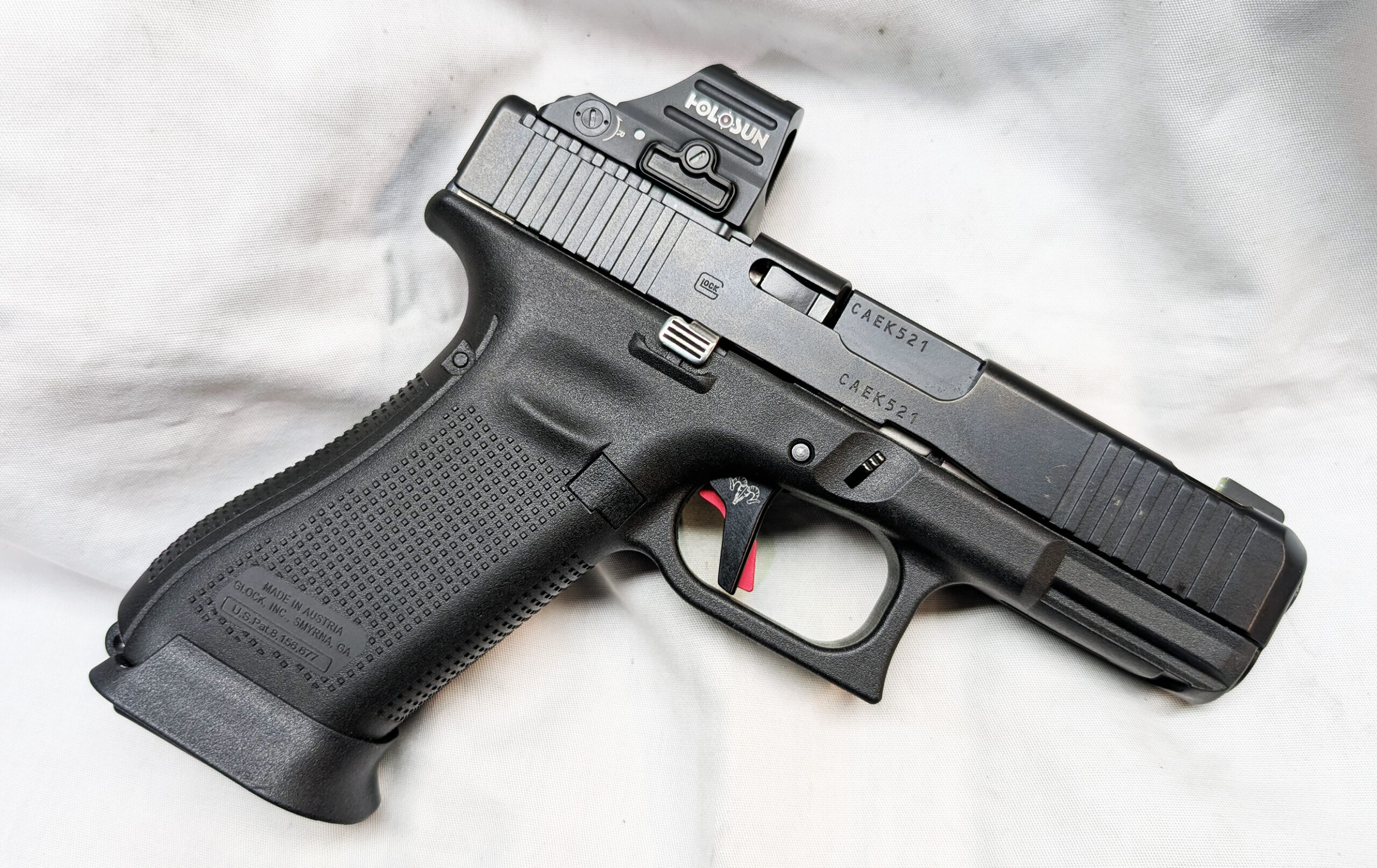
A flat, straight-style trigger can work well with a leverage-based design because it changes the surface where your finger contacts the trigger. Different finger positions can change the leverage you feel during the press. That doesn’t mean every flat trigger is automatically better than a curved trigger, and simply installing a flat shoe doesn’t make something a leverage trigger. Trigger shape is one part of a much larger system involving geometry, travel, break, and reset.
I’ve said this plenty of times: lighter doesn’t automatically mean better. Pull weight matters, but so do trigger geometry, finger placement, pre-travel, the break, post-travel, reset, consistency, and reliability. A predictable trigger with controlled movement may be more useful than simply chasing the lowest pull-weight number possible. Instead of asking only how light a trigger is, I think the better question is how the complete trigger system performs.
Trigger travel is another part of the equation. There’s movement before the break and, depending on the system, movement after it. Those characteristics help determine whether a trigger feels long, short, predictable, or inconsistent. The goal isn’t necessarily to make every bit of movement as short as mechanically possible. I look at travel as one part of the complete trigger system, with the goal of creating controlled, predictable movement that makes sense for the firearm.
Reset is the forward movement required before the trigger is ready for another press. Its distance and feel contribute to the feedback you get from the trigger, especially during follow-up shots. A clear, predictable reset can be useful, but shorter isn’t automatically better simply because it gives you a smaller number to advertise. Reset has to work with the trigger’s travel, break, geometry, reliability, and intended purpose as part of the complete system.
If there’s one thing I want shooters to take away from this, it’s not to judge a trigger by one specification. A flat trigger isn’t automatically better. A light trigger isn’t automatically better. A short reset isn’t automatically better. It’s how geometry, leverage, travel, break, reset, ergonomics, reliability, and the firearm itself work together that creates the complete experience. That’s really the idea behind looking at a trigger through leverage instead of one number.
Start by asking what you’re actually trying to improve. Maybe it’s finger placement, trigger shape, travel, reset, pull characteristics, or the overall feel of the press. If your factory trigger already does everything you want, there’s no rule saying you need to replace it. But if you’re considering an upgrade, understanding leverage and geometry gives you a better way to compare your options. Look at the complete system and make sure it’s appropriate for your exact firearm.
A leverage trigger uses trigger geometry and leverage as part of the overall design rather than concentrating only on pull weight. Where your finger contacts the trigger, the shape of the shoe, travel, break, reset, and the interaction between components can all influence what you feel. The idea is to evaluate the trigger as a complete mechanical system instead of deciding whether it performs well based on one specification or the lowest advertised pull-weight number.
Leverage affects how force is applied through the trigger system. Where your finger contacts the trigger and the geometry between that point and the rest of the mechanism can influence how the press feels. That’s one reason two triggers with similar measured pull weights don’t necessarily feel the same. Leverage works alongside trigger shape, travel, break, reset, ergonomics, and the firearm’s internal components to create the complete trigger experience.
Not necessarily. Trigger shape and leverage are related, but they’re not the same thing. A flat or straight-style trigger can allow different finger placement and change the leverage a shooter feels during the press. Simply making a trigger shoe flat, however, doesn’t automatically create a leverage-based system. Trigger geometry, component interaction, travel, break, reset, ergonomics, and the overall mechanical design also determine how the trigger behaves.
Trigger geometry and leverage can influence how force is applied through a trigger system, but measured pull weight is only one characteristic. Overall trigger feel also depends on travel, break, reset, trigger shape, finger placement, and component design. Rather than assuming a leverage trigger is simply designed to create the lightest possible pull, look at the complete system and whether its characteristics make sense for your firearm and intended use.
That depends on the shooter, firearm, and what you’re trying to improve. A factory trigger may already work perfectly well for your needs. A leverage-based trigger may appeal to shooters looking for different ergonomics, finger placement, travel, reset, or overall trigger feel. Don’t upgrade simply because something is aftermarket. Identify what you actually want to change first, then determine whether the trigger system addresses those characteristics while maintaining reliable operation.
Finger placement determines where you’re applying force to the trigger. With different trigger shapes and geometries, changing that contact point can change the leverage and sensation you experience during the press. That’s one reason a flat trigger can feel different from a traditional curved shoe even when other specifications are similar. Finger placement is still only one part of the system and should be considered alongside travel, break, reset, ergonomics, and reliable operation.
I wouldn’t choose any trigger based on pull weight alone. It’s useful information, but it doesn’t tell you how the complete trigger will feel. Geometry, finger placement, pre-travel, break, post-travel, reset, ergonomics, and consistency all contribute to the experience. Start with the firearm’s intended purpose and what you’re actually trying to improve. Then evaluate the complete trigger system instead of automatically choosing the option advertising the lowest number.
Start with compatibility and intended use. Make sure the trigger is designed for your exact firearm and configuration, then decide what you’re trying to improve. Look at geometry, finger placement, travel, break, reset, ergonomics, pull characteristics, component quality, and reliable operation. Don’t let one impressive specification make the decision for you. A leverage trigger should make sense as a complete system and fit how you actually intend