Triggers That Feel
Better
Smoother
Faster
Precision Triggers Built Right Here in the USA
If you start shopping for a P365 trigger, you’re going to hear a lot of the same stuff.
Lighter pull. Shorter reset. Flat trigger. Less travel. Better feel.
Okay. But better how?
That’s the question I think gets skipped.
I don’t start with the trigger that has the lowest number or the fanciest-looking shoe. I start with the pistol in my hand and ask a pretty simple question: What am I actually trying to improve?
Once you know that, choosing a trigger gets a whole lot easier.
Before we get into trigger feel, make sure you know exactly which P365 configuration you’re working with. Don’t see “P365” on a product page and automatically assume you’re good to go. Check the manufacturer’s compatibility information for your exact pistol. I know compatibility isn’t nearly as fun to talk about as pull weight and reset, but ordering the wrong trigger will kill the excitement pretty quickly. Get that part right first.
This is where I start. What are you actually trying to change? Maybe you don’t like the shape under your finger. Maybe there’s more movement than you want. Maybe you want a different reset or better finger placement. Those are different problems, and they don’t necessarily have the same solution. If you can’t tell me what you want to improve, you’re basically shopping by pictures and advertising. Figure out the problem first. Then look for the trigger.
Shooters love pull-weight numbers because they’re easy to compare. One trigger says this many pounds, another says less, so the lighter one must be better. I don’t look at triggers that way. Pull weight matters, but so do geometry, leverage, travel, the break, post-travel, reset, and where your finger sits on the trigger. Two triggers can give you similar numbers and still feel completely different. The trigger gauge tells you one thing. Your finger tells you a whole lot more.
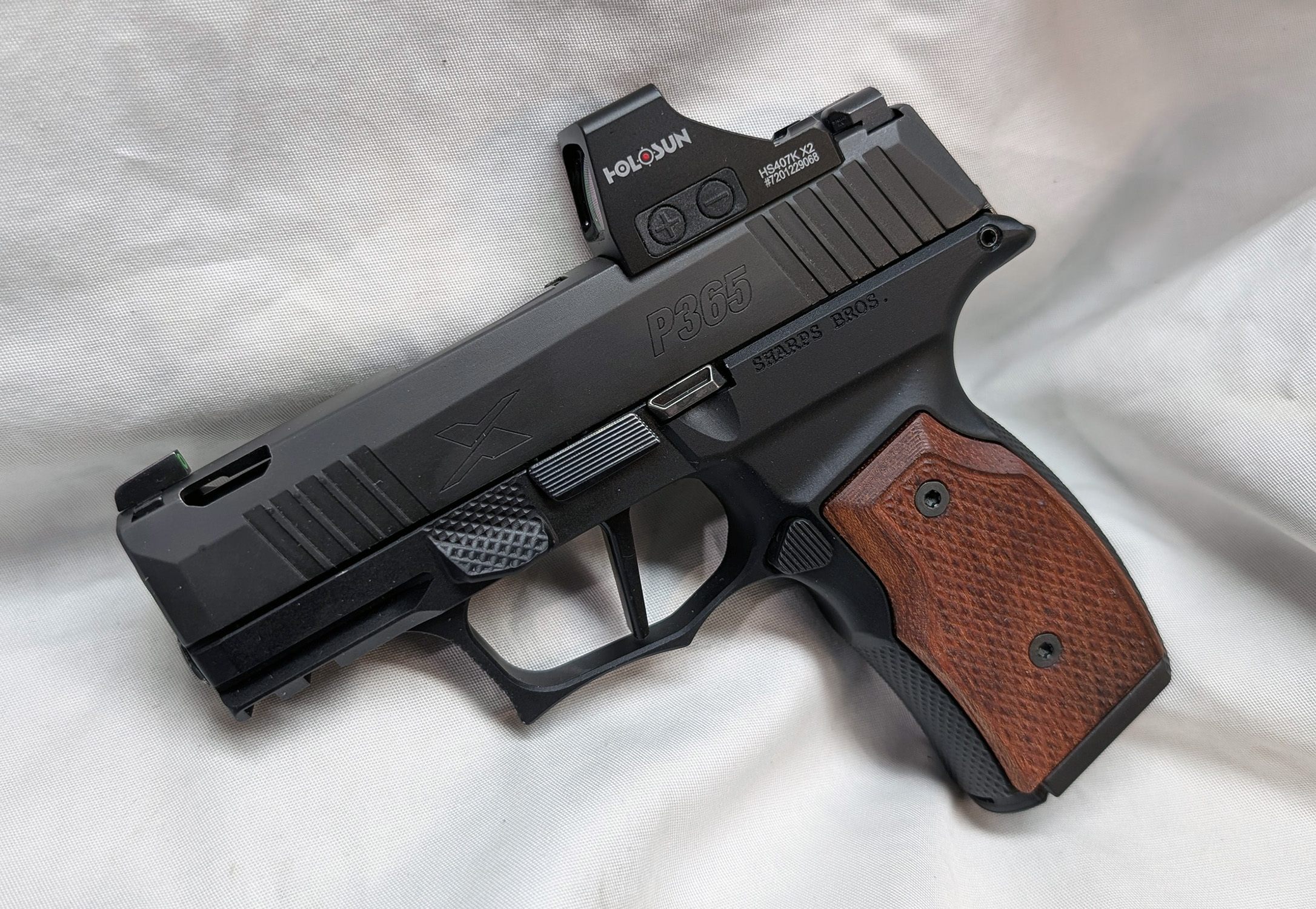
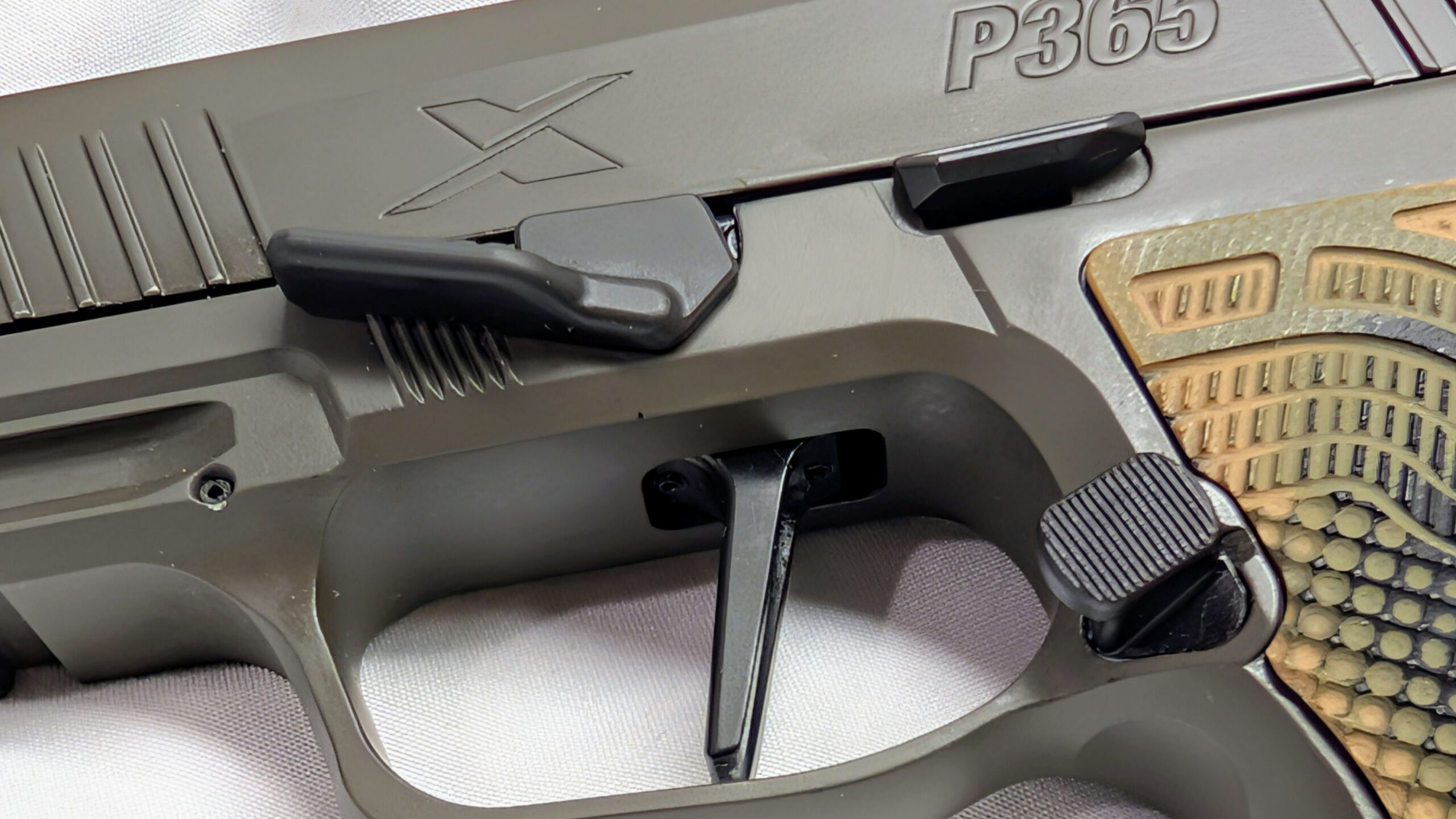
I like a flat trigger. Obviously, that’s part of what we do at RAMM Tactical. But I’m not going to tell you a trigger is automatically better because somebody made the shoe flat. Your finger cares about the contact surface, and trigger shape can change where your finger naturally lands. That matters. But the shoe still has to work with the geometry behind it. A nice-looking trigger shoe with nothing meaningful happening in the rest of the system is still just a nice-looking trigger shoe.
Where your finger contacts the trigger changes how you interact with it. Move that contact point and the leverage you experience during the press can change too. That’s a big reason I pay attention to geometry. I’m interested in how the trigger actually feels under your finger, not just what somebody printed on the package. Pull weight, trigger shape, finger placement, and geometry all work together. You don’t feel those things separately when you press the trigger, so I don’t design around them separately either.
A lot happens before and after the actual break. How much movement is there getting to the break? What happens once the trigger breaks? That travel is something you’re going to feel every single time you press the trigger. I’m not saying every little bit of movement needs to disappear. I want the movement to feel controlled and predictable. With RAMM Tactical, overall trigger travel and post-travel are part of the design because I don’t think you can talk about good trigger feel while ignoring half of the trigger press.
Everybody wants to advertise a short reset. Fine. I like a good reset too. But I’m not trying to win an award for the shortest reset anybody has ever measured. I want a reset that feels positive and predictable when the trigger comes forward. I want useful feedback under my finger. Reset also has to work with everything else in the system. If all you know about a trigger is that somebody says it has a short reset, you still don’t know very much about how that trigger is actually going to feel.
This is really what it comes down to for me. Don’t buy a trigger because of one feature. Look at the whole thing. Trigger shoe, geometry, leverage, finger placement, travel, break, post-travel, reset, spring configuration, compatibility, and installation all matter. You’re going to experience all of those things together when you press the trigger anyway. I’d rather have a complete trigger system that makes sense than one feature that sounds great in an advertisement while everything else gets ignored.
There are a ton of P365 aftermarket parts available. That doesn’t mean your pistol needs all of them. I’ve never been a fan of changing parts just because somebody makes a replacement. What are you trying to accomplish? If you have a good answer, great. Now you have a reason for the upgrade. If you’re combining different aftermarket components, verify compatibility too. A box full of expensive parts doesn’t automatically turn into a better pistol when you put them all together.
Think about installation before the trigger shows up at your door. If you’re experienced and comfortable doing the work, follow the manufacturer’s instructions and perform the appropriate safety and function checks afterward. If you’re looking at the parts and wondering what goes where, that’s probably a good sign to hand it to somebody who knows. There’s no prize for struggling through trigger work you aren’t comfortable doing. RAMM Tactical also offers installation services for shooters who would rather have it handled.
When I look at a P365 trigger, I want the whole press to make sense. That’s really the thinking behind the RAMM Tactical Leverage Trigger approach. I’m paying attention to geometry, leverage, finger placement, travel, reset, and what you actually feel at the trigger. I’m not interested in building the entire sales pitch around one impressive number. Once your finger hits that trigger, all those specifications have to work together. That’s where I decide whether a trigger is doing its job.
Start with what bothers you about your current trigger. Then make sure the trigger you’re considering fits your exact P365 configuration. After that, look at the shoe, geometry, leverage, travel, break, post-travel, reset, pull characteristics, spring configuration, and installation requirements. Don’t let the lowest pull-weight number make the decision for you. Buy the trigger that addresses what you actually want to improve. That makes a lot more sense than buying a specification and hoping you like the trigger attached to it.
It can be, but I’d ask what you’re trying to improve before I tell you to spend money. Maybe you don’t like the trigger shape. Maybe it’s the travel, reset, or where your finger naturally sits. Those are actual reasons to look at an upgrade. “Everybody else changed theirs” isn’t much of a reason. If you like your factory trigger and it does what you want, keep shooting it. If there’s something you want to change, then start comparing triggers designed to address that specific issue.
First thing I’m checking is compatibility. After that, I want to know what the trigger is actually designed to change. Look at the shoe, geometry, leverage, travel, break, post-travel, reset, pull characteristics, spring configuration, and installation requirements. That sounds like a lot, but you’re going to feel most of it every time you press the trigger. Don’t let one advertised number make the decision. Figure out what you want from the trigger and shop around that.
I like a flat trigger, but I’m not going to tell you flat automatically means better. A flat shoe gives your finger a different contact surface and can change where your finger naturally lands. That can affect the leverage you feel during the press. But the shoe is still only one part of the system. Geometry, travel, reset, and everything happening behind that shoe matter too. I use a flat design because of how it works with the overall RAMM approach, not simply because flat triggers look good.
That’s not how I’d choose one. Pull weight matters, but lighter doesn’t automatically mean better. I want to know how the trigger travels, where it breaks, how much movement follows the break, what the reset feels like, and how the geometry works with my finger placement. You can make one number look great and still end up with a trigger you don’t particularly like. I’d rather have the complete trigger feel right than brag about how low I got the number on a trigger gauge.
Your finger is applying force to the trigger, and where that force is applied matters. Change the contact point and the leverage you experience can change with it. That’s why trigger geometry and finger placement are such a big part of how I look at triggers. A pull gauge gives you a number, but your finger experiences the complete press. That includes geometry, leverage, movement, and resistance. Once you understand that, you start looking at triggers a little differently than just comparing pull weights.
For me, a good reset should be positive and predictable. I want to know when the trigger has reset without having to hunt around for it. Does that mean it needs to be the shortest reset anybody has ever made? No. Short is only one characteristic. I care more about useful, consistent feedback and how the reset works with the rest of the trigger system. If a company only tells you its reset is short, I’d still want to know what the rest of that trigger press feels like.
Maybe. It depends on your experience and the trigger you’re installing. If you know what you’re doing, follow the manufacturer’s instructions and make sure the appropriate safety and function checks are completed afterward. If you aren’t comfortable working on the fire-control system, don’t turn it into a guessing game. Have somebody qualified do the work. I’m all for working on your own equipment when you have the knowledge to do it correctly. Knowing when you don’t is just as important.
I’d start by forgetting about brands for a minute and asking what you want the trigger to do differently. Once you know that, verify compatibility with your exact P365 and start comparing the things that matter to you. Look at shape, geometry, leverage, travel, break, post-travel, reset, pull characteristics, springs, and installation. Don’t buy a trigger because it wins one specification. Buy it because the complete design addresses what you actually want to improve.