Triggers That Feel
Better
Smoother
Faster
Precision Triggers Built Right Here in the USA

If you asked me what one thing most shooters could do to improve their shooting without spending more money on ammunition, my answer would be simple: dry fire training.
It isn’t flashy. It doesn’t involve new gear. It doesn’t require a trip to the range. But when done correctly, dry fire training can help reinforce some of the most important fundamentals in shooting.
I’ve talked to a lot of shooters over the years who want tighter groups, better trigger control, and more consistency. The good news is that many of those skills can be practiced right at home using safe dry fire techniques.
Before we go any further, always verify that your firearm is unloaded and follow all firearm safety rules before beginning any dry fire practice.
Dry fire training is the practice of working with your firearm without live ammunition present. Shooters use dry fire to practice trigger control, sight alignment, presentation, grip, and other shooting fundamentals without firing a shot.
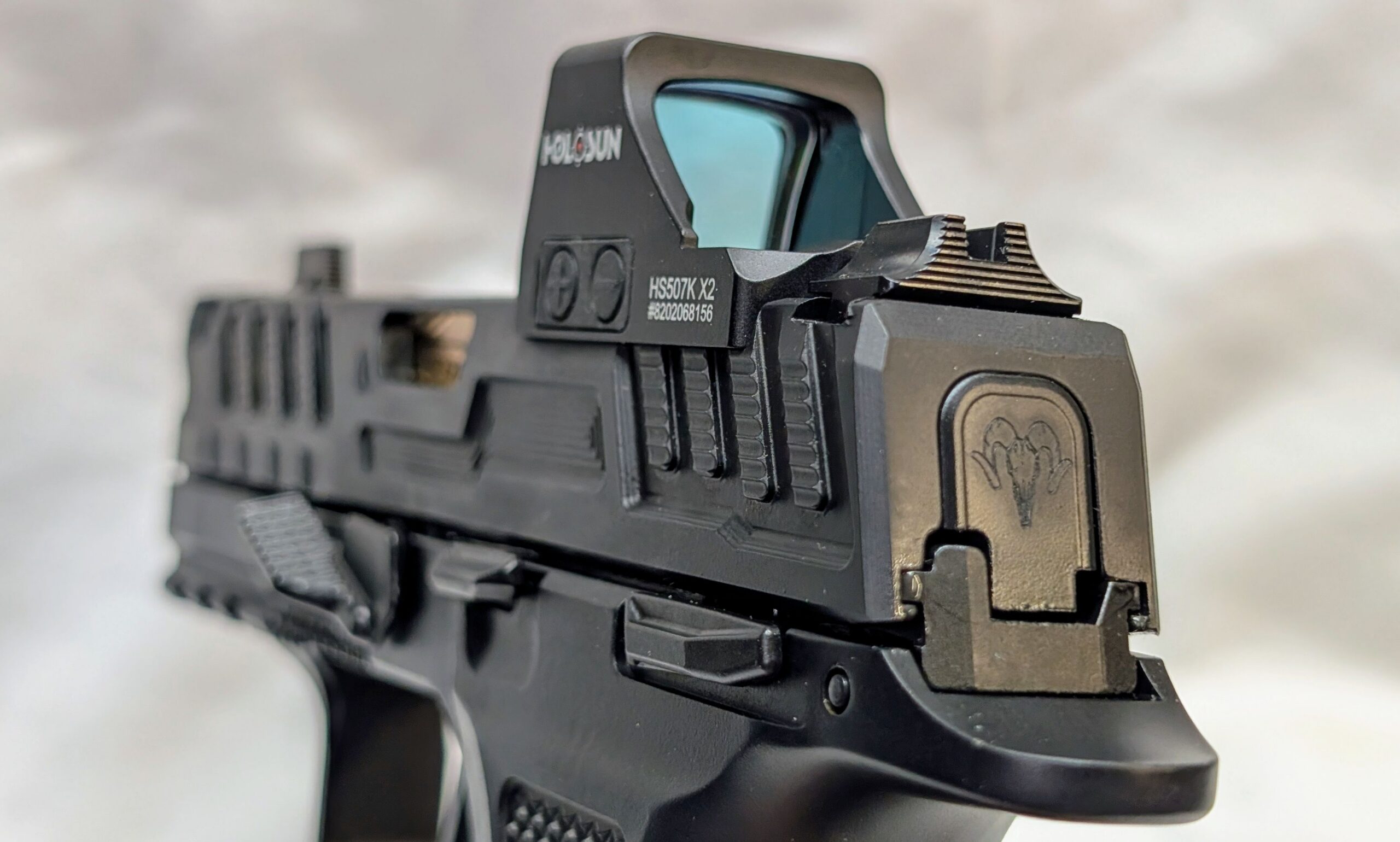
Every skill improves through repetition. Dry fire allows shooters to practice key movements and fundamentals repeatedly without the cost of ammunition or range fees. It helps build familiarity and consistency while reinforcing proper habits.
One of the biggest benefits of dry fire training is improving trigger control. Many shooting errors occur when the trigger is pressed inconsistently or with unnecessary movement. Dry fire provides an opportunity to focus on a smooth and controlled trigger press without the distraction of recoil.
Many shooters only practice when they visit the range. The problem is that range trips may be separated by days or weeks. Dry fire training creates opportunities to practice more frequently and maintain consistency between live fire sessions.
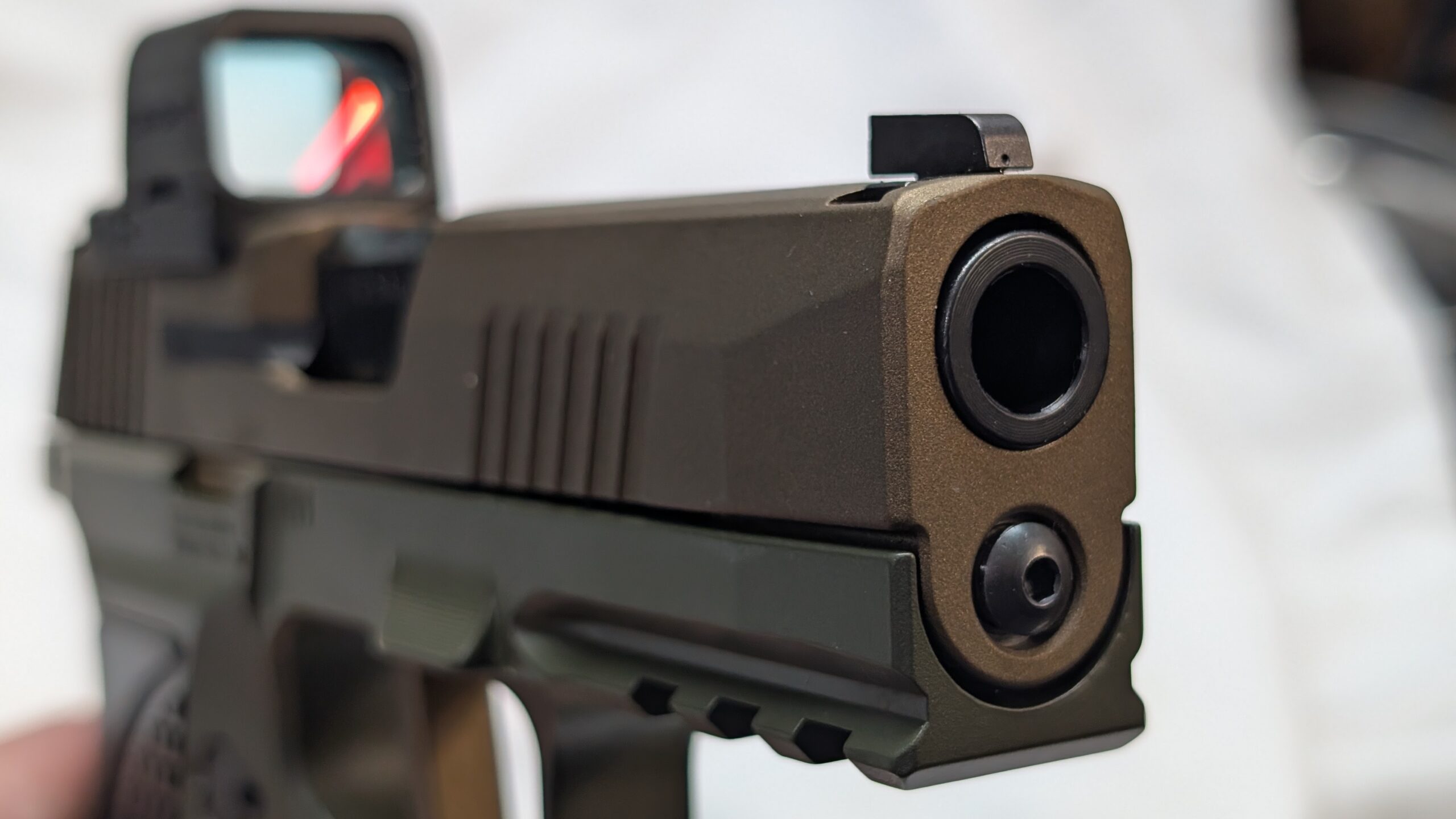
Simple drills such as sight alignment practice, trigger presses, presentation from a ready position, and target transitions can all be incorporated into a dry fire routine. The goal is not speed. The goal is performing the movement correctly and consistently.
Dry fire training should always be conducted safely. Verify the firearm is unloaded, remove live ammunition from the training area, and establish a safe direction. Consistent safety habits are essential regardless of experience level.
Many shooters use dry fire training to become familiar with a new trigger system. Whether you’re evaluating trigger feel, reset characteristics, or overall ergonomics, dry fire can help you understand how your firearm behaves before heading to the range.