
Triggers That Feel
Better
Smoother
Faster
Precision Triggers Built Right Here in the USA

If you’ve watched enough action movies, you’ve probably noticed that Hollywood has its own version of how firearms work.
Suppressors make guns nearly silent, nobody ever seems to run out of ammunition, and apparently every firearm makes a dramatic clicking sound just because someone picked it up.
I understand that movies are supposed to be entertaining, not firearm training videos. But some of the things we see on screen are so far from reality that they’re worth talking about.
So let’s have a little fun and look at seven of Hollywood’s favorite firearm myths.
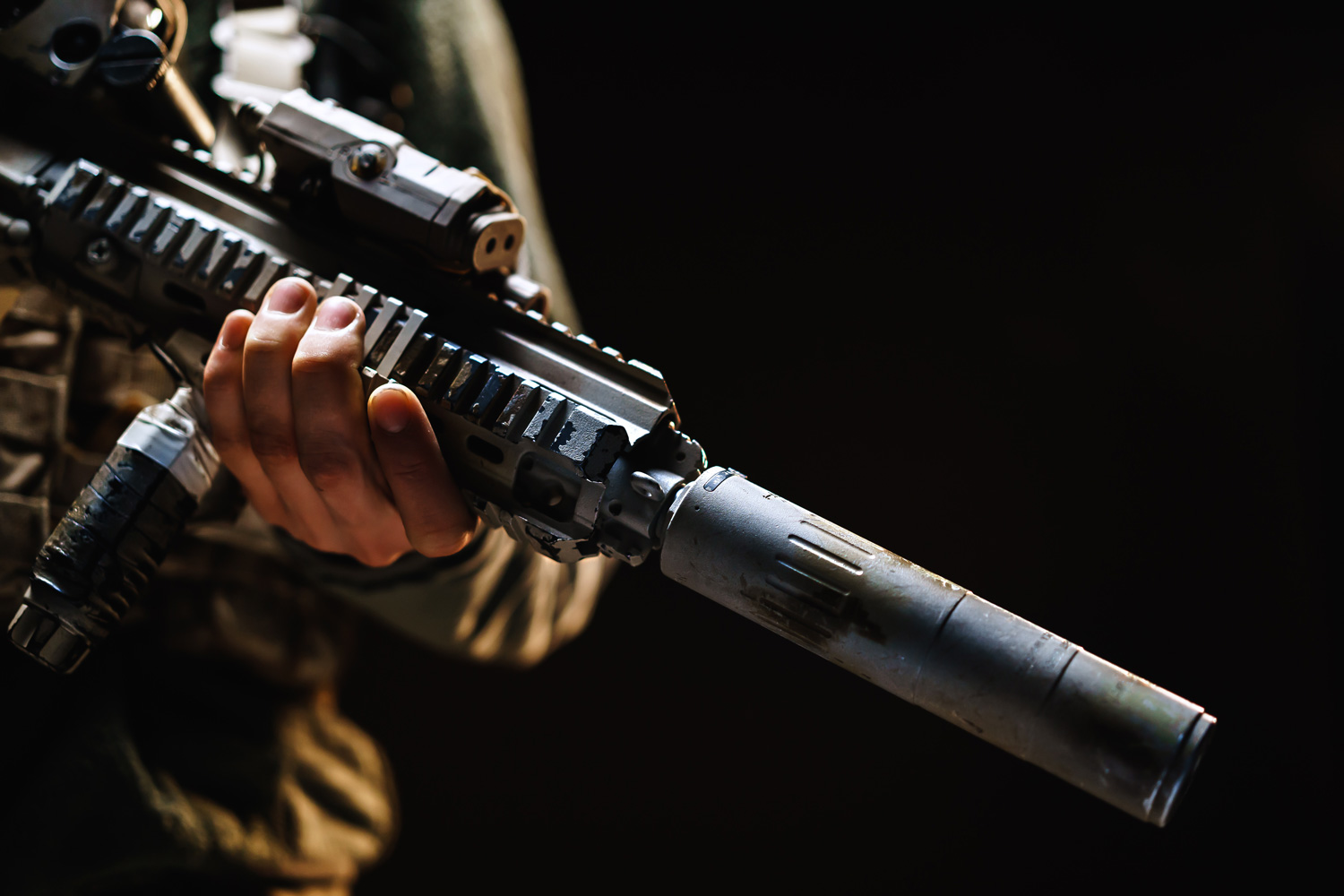
You’ve seen this one a hundred times.
Someone attaches a suppressor to a pistol, fires a shot, and all you hear is a quiet little pfft.
That’s Hollywood.
In reality, suppressors reduce the sound produced by a firearm, but they don’t eliminate it.
The actual sound depends on several factors, including the firearm, ammunition, and surrounding environment. Even suppressed gunfire can be loud enough to damage hearing.
The reality: Suppressors reduce noise. They don’t turn firearms into the nearly silent devices we see in movies.

Hollywood loves a dramatic gunfight.
Someone gets shot and suddenly flies backward through a window or across a room.
It looks impressive on screen, but the physics don’t work that way.
A bullet transfers momentum when it strikes something, but it doesn’t deliver the kind of force needed to launch an adult backward like a stunt performer on a wire.
Think about it. If a firearm could send someone flying across a room, the person firing it would experience a much more dramatic recoil effect, too.
The reality: Movie-style flying impacts are special effects, not realistic representations of bullet impact.

This one always gets me.
A character fires shot after shot, takes out half the bad guys in the movie, and somehow never needs to reload.
Then, when the script calls for a dramatic moment, suddenly the gun is empty.
Real firearms have limited ammunition capacities. Depending on the firearm, that might mean only a handful of rounds or considerably more.
Either way, ammunition doesn’t magically replenish itself.
The reality: Reloading is a normal part of firearm operation, even if Hollywood prefers to skip it until the scene needs more suspense.
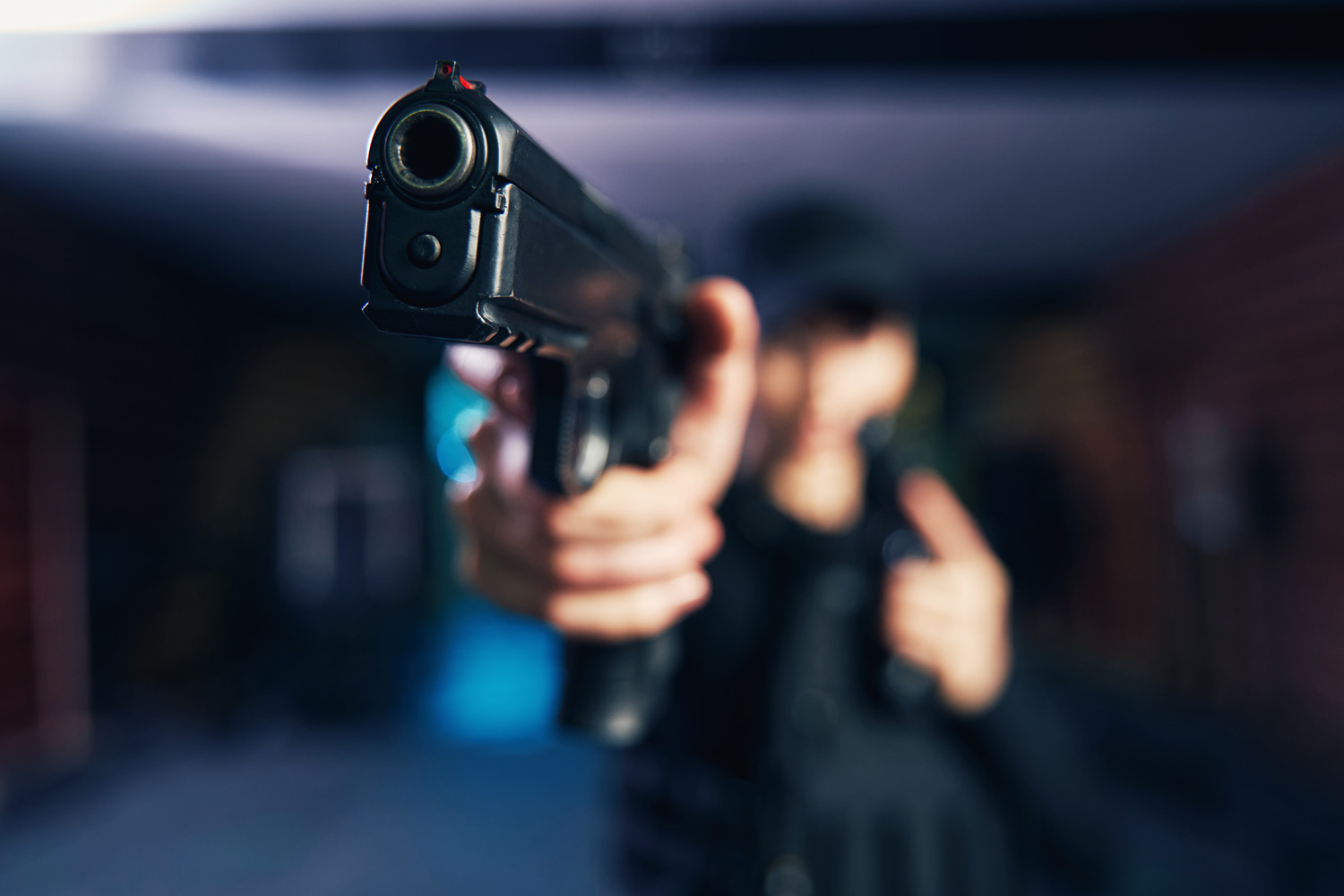
Have you ever noticed how noisy guns are in movies?
Someone raises a pistol, and there’s a metallic click.
They point it in another direction, and there’s another click.
They lower it, and somehow it makes another mechanical sound.
In reality, simply moving or pointing a firearm doesn’t automatically produce those noises.
Certain firearm controls and mechanisms do make sounds when operated, but Hollywood often adds extra sound effects to make scenes feel more intense.
The reality: Most of those dramatic clicks are sound design, not actual firearm mechanics.
Here’s another Hollywood favorite.
A character is running, jumping over obstacles, or hanging out of a moving vehicle, yet somehow manages to make incredibly difficult shots without missing.
Meanwhile, actual shooters spend years developing consistency.
Accuracy depends on several factors, including the firearm, shooting conditions, distance, and the shooter’s ability to maintain control.
Even experienced shooters can find difficult conditions challenging.
The reality: Consistent accuracy takes practice. It doesn’t happen automatically because someone is the main character.
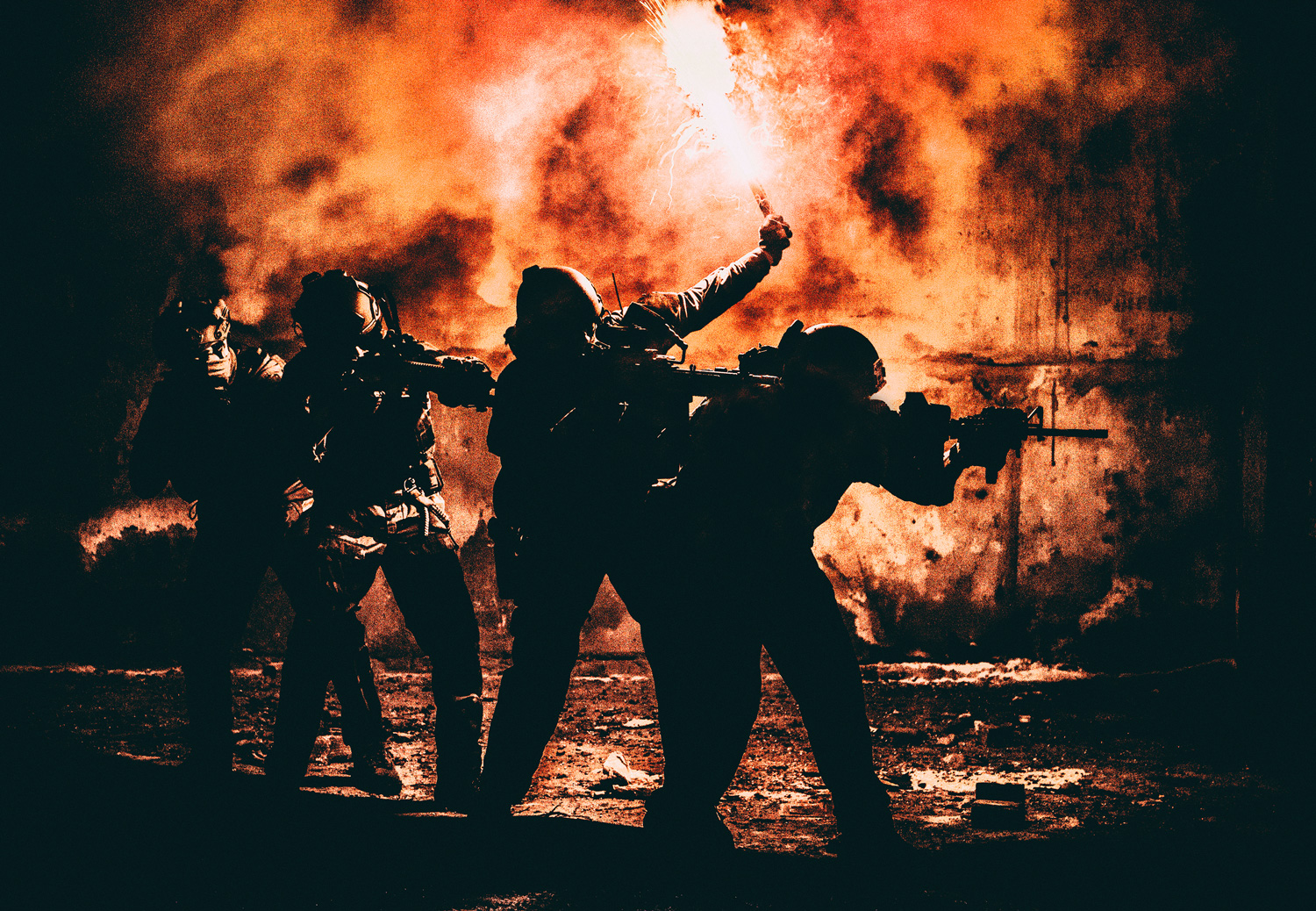
Movies love muzzle flash.
Sometimes a character fires a handgun, and the flash looks like someone just set off a small fireworks display.
Real muzzle flash occurs when hot gases and particles from the firing process produce visible light near the muzzle.
But its appearance varies depending on the firearm, ammunition, barrel length, and lighting conditions.
Some muzzle flashes are quite visible. Others are relatively subtle, particularly in bright daylight.
The reality: Muzzle flash is real, but Hollywood often exaggerates it for dramatic effect.
In movies, gunshot injuries often follow a predictable pattern.
A character gets hit and immediately collapses, gets thrown backward, or continues fighting as though nothing happened.
Real injuries are much more complicated.
The effects of a gunshot wound depend on numerous factors, and there’s no single predictable reaction.
Hollywood simplifies these situations because movies need to tell a story, not provide a medical explanation.
The reality: Gunshot injuries are serious and unpredictable. Movie scenes shouldn’t be treated as accurate examples of what happens in real life.
The simple answer is entertainment.
Movies rely on sound effects, visual drama, and exaggerated action to keep audiences interested.
A realistic gunfight might not look or sound nearly as exciting as the choreographed version on screen.
And to be fair, some filmmakers put considerable effort into getting firearm details right.
But there’s a difference between making something look believable and making it technically accurate.
That’s where Hollywood sometimes gets a little carried away.

