Triggers That Feel
Better
Smoother
Faster
Precision Triggers Built Right Here in the USA

Most shooters eventually ask the same question: Is an aftermarket trigger really worth it? I’ve spent years working on triggers, talking to shooters, and helping customers improve the feel and performance of their firearms. One thing I’ve learned is that there is a lot of misinformation out there. Some people think every factory trigger is bad. Others think every aftermarket trigger is an improvement. The truth is somewhere in the middle.
Factory firearm manufacturers have a difficult job. They need to produce a trigger system that works for a brand new shooter, an experienced shooter, law enforcement, concealed carry users, and recreational shooters. To accomplish that, factory triggers are generally designed with a larger safety margin. They often have heavier trigger pulls, more travel, and a less refined break than many shooters would prefer. That doesn’t mean they’re bad. In fact, one of the reasons Glock has earned a reputation for reliability is because the factory design works. The same can be said for Sig Sauer and many other manufacturers. The challenge is that many shooters want something that feels smoother, cleaner, and more predictable.
Most people don’t start looking at aftermarket triggers because their gun doesn’t work. They start looking because they want a better shooting experience. The most common reasons I hear are reducing trigger pull weight, improving trigger reset, shortening trigger travel, improving comfort on the trigger face, and creating a more consistent break. These improvements can help shooters become more confident and more consistent, especially during training and range sessions.
Not all aftermarket triggers are created equal. One of the biggest mistakes I see is a focus on reducing pull weight at all costs. Many trigger systems accomplish this by dramatically changing spring weights. While that can create a lighter trigger pull, it can also introduce reliability concerns if the system is pushed too far. The goal shouldn’t simply be the lightest trigger possible. The goal should be a trigger that feels better while still maintaining dependable operation.
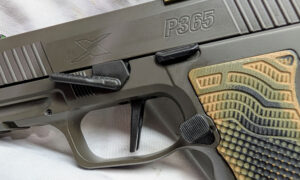
When I work on trigger systems, I’m always looking at the balance between performance and reliability. A good trigger should feel comfortable, provide a cleaner break, improve reset, reduce unnecessary travel, and maintain reliable operation. I don’t believe shooters should have to choose between a better trigger and a dependable firearm. That’s one of the reasons the RAMM Tactical Leverage Trigger was developed.
If you’re considering a trigger upgrade, don’t get caught up chasing the lowest advertised pull weight. Instead, pay attention to overall trigger feel, reset quality, travel reduction, comfort, reliability, and consistency. Those factors often have a much bigger impact on real-world shooting performance than a small difference in trigger weight alone.